
In Los Angeles, light is more than an element, it’s a material. It pours through windows, glides across reclaimed surfaces, and changes the feeling of a space hour by hour. Thoughtful home design doesn’t fight light, it collaborates with it, allowing it to guide how we live, move, and grow within our homes.
In circular design, light becomes part of the loop. It nourishes plants, supports circadian rhythms, and reduces energy use of a natural resource that costs nothing yet gives everything.
For a deeper look at regenerative design in the home, explore Why Design for Circularity and What Is Circular Construction.
Circular Design Starts with Awareness
Circularity is about more than materials, it’s about awareness. It begins by observing how nature works: everything is reused, repurposed, reabsorbed.
“Circular design is mindful design,” says Steve Pallrand. “It’s about rethinking what already exists, from materials to sunlight. Every element has more than one life.”
In practice, that means designing homes that work with nature from the way daylight moves through your kitchen to how the breeze ventilates your hallway.
Sustainable Lighting Design for a Greener Future
Los Angeles has an abundance of light but too much can mean heat and glare. A circular home balances solar orientation, shading, and materials to capture the benefits and control the intensity.
Design principles for circular lighting:
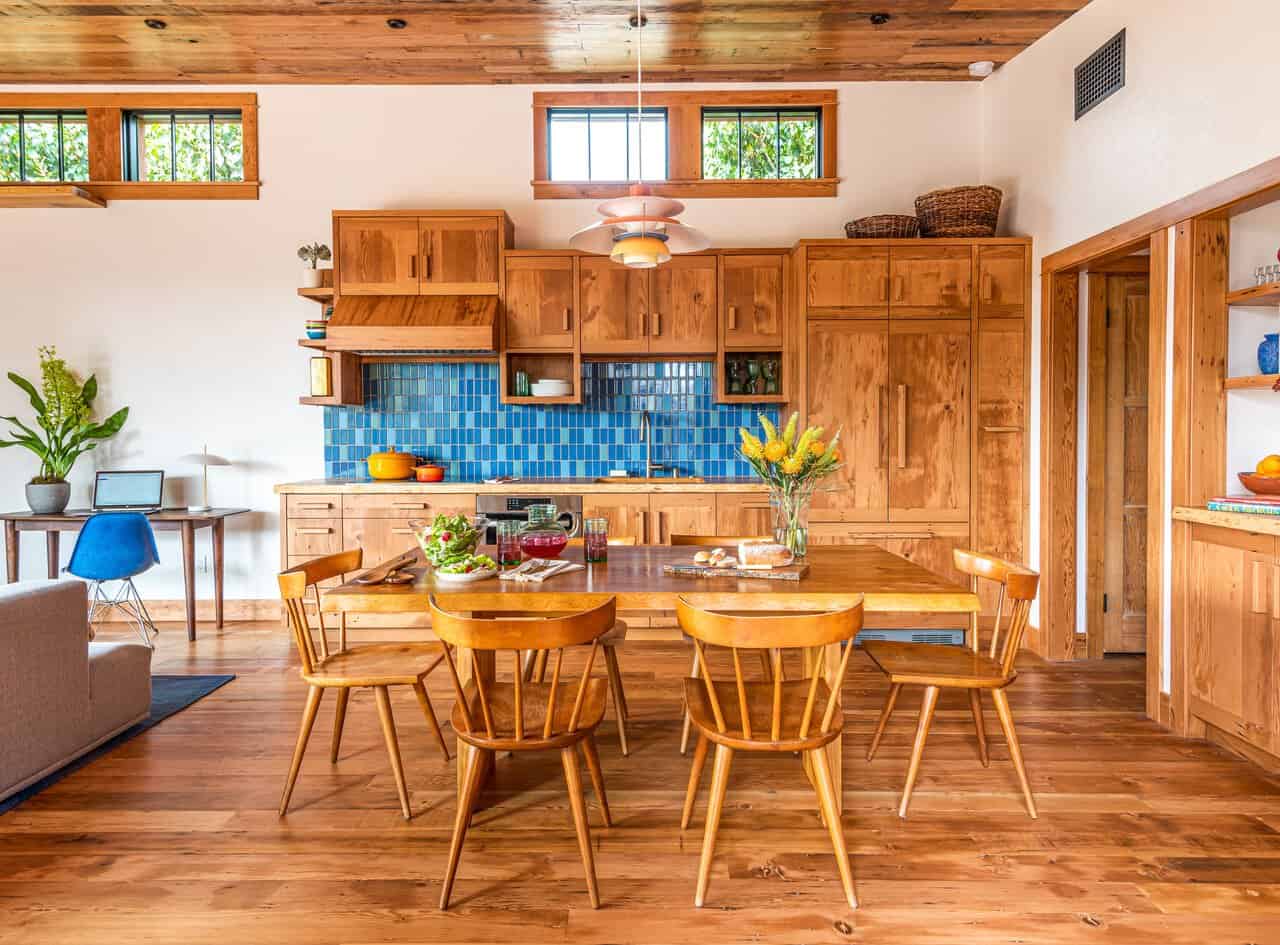
Use skylights and clerestory windows to draw light deeper into the home.
Choose light-colored, natural finishes to reflect daylight without artificial brightness.
Integrate operable windows and cross ventilation to reduce cooling loads.
When light becomes part of the design process, not an afterthought, your home naturally becomes more energy efficient, more comfortable, and more alive.
Living Wall Systems
Circularity isn’t just about what’s built, it’s about what thrives inside.
Indoor plants, green walls, and herb gardens are living systems that clean the air, regulate humidity, and connect people to their surroundings.
Incorporating plants like snake plant, pothos, or rosemary can enhance indoor air quality while reconnecting homeowners to their circadian rhythm, nature’s internal clock.
For more ideas on incorporating plants into your living spaces, see Kitchen Wellness: Designing Kitchens That Grow with You.
Timeless Home Materials – From Light to Lifespan
Circular homes are grounded in longevity. They’re not about short-lived trends or disposable aesthetics, but about materials that age gracefully and designs that adapt.
Examples of circular choices that pair with natural light:
Reclaimed wood that softens under sunlight
Limewash walls that breathe and evolve over time
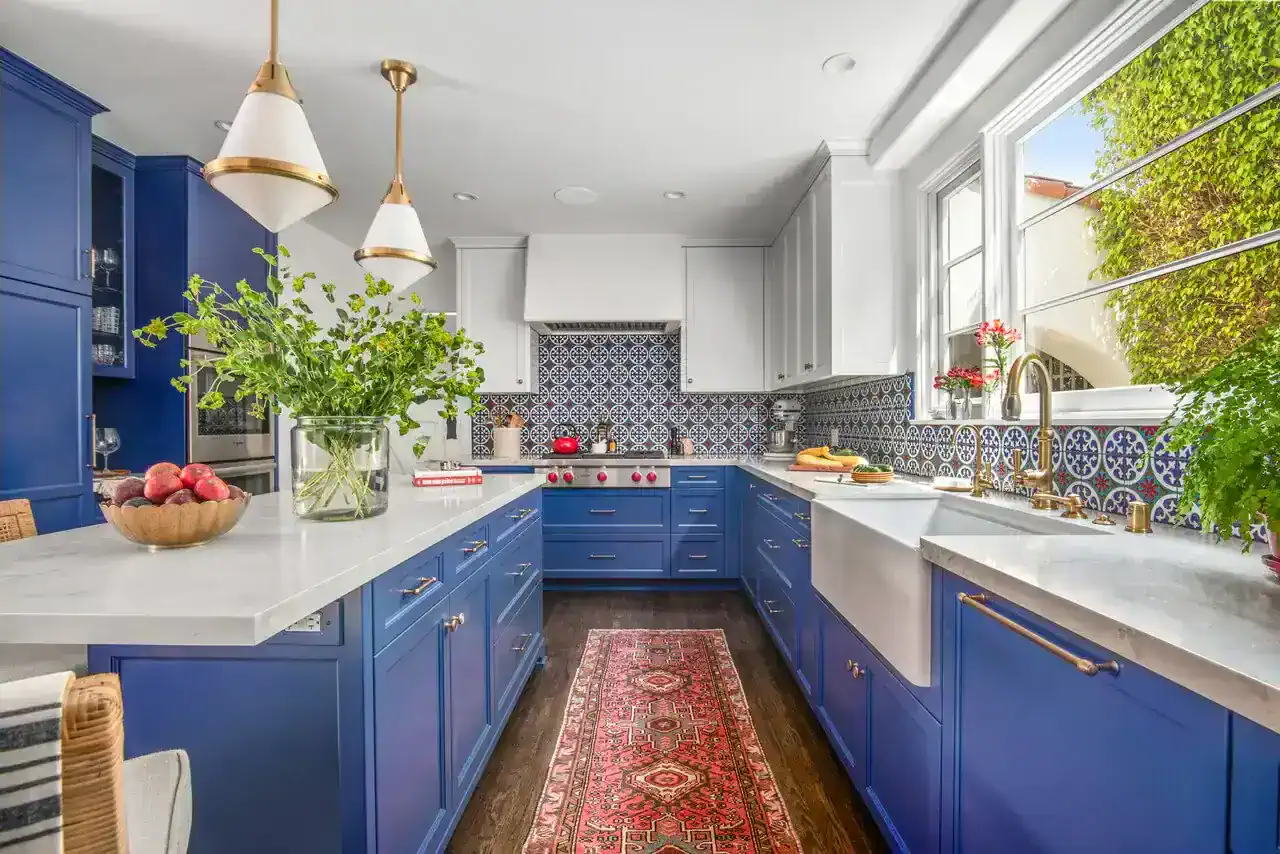
Natural clay tiles that absorb and release warmth
Low-VOC finishes that preserve indoor air quality
Each choice supports a home that feels alive, a collaboration between craft, ecology, and time.
Timeless Home Materials- Why Light Shapes Wellness
Beyond energy and design, light affects how we feel. Studies show that natural light improves mood, focus, and sleep, syncing us with daylight cycles that our modern lives often ignore.
When your home supports your natural rhythm, you rest better, think clearer, and live more intentionally.
Circular design, at its core, isn’t just about sustainability it’s about sustaining the people who live within.
Designing in Partnership with Nature and Architecture
Circular construction teaches us that nothing exists in isolation. The same sunlight that warms your kitchen also feeds your garden, powers your home, and nourishes your well-being.
Designing with light, growth, and circular principles reconnects architecture to what it’s always meant to do; reflect life itself.
Discover how Home Front Build integrates circular thinking into every project: Why Design for Circularity and What Is Circular Construction.