

Rethinking How We Build
Circular construction isn’t a buzzword. It’s a call to action. In Los Angeles, where every square foot of land and every ton of waste carries weight, it’s becoming clear that the future of homebuilding depends on how we design, deconstruct, and reuse.
“Change is a challenge,” says Steve Pallrand of Home Front Build. “But when you think in terms of circularity, you’re not just reducing impact, you’re restoring balance.”
Circular Construction: From Demolition to Deconstruction
Traditional demolition treats materials as disposable. Circular construction redefines that process turning “demo” into deconstruction.
“If I could change one thing about the industry,” Pallrand says, “it would be to stop clearing lots and start deconstructing. There’s so much value in what already exists.”
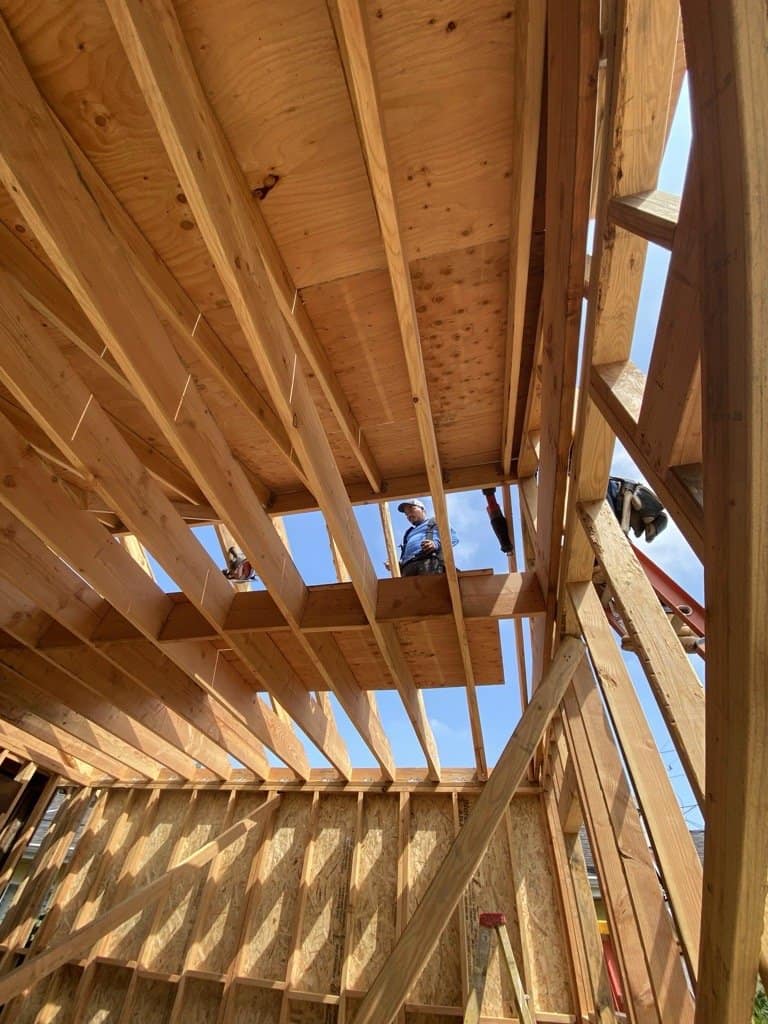
By carefully dismantling instead of destroying, teams can reclaim usable wood, metal, brick, and tile, materials that carry history and potential.
Real-World Circular Construction Examples in Practice
One of Home Front Build’s most meaningful examples is the Killarney Project, where reuse was not an afterthought but a design philosophy.
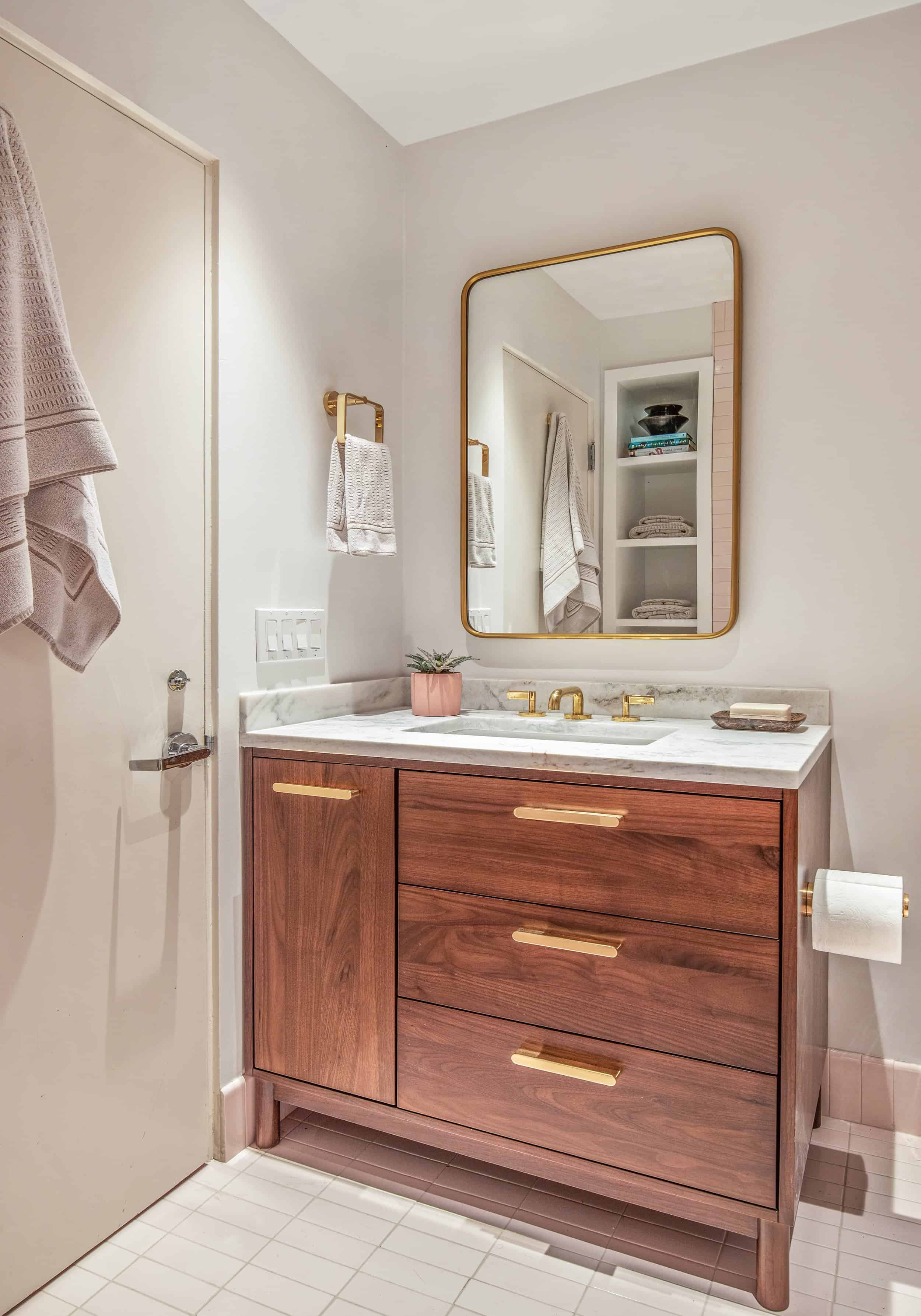
A tree removed for road access became cabinetry.
Roof tiles were reused from the original home.
Old lumber and pews were repurposed into millwork and furniture.
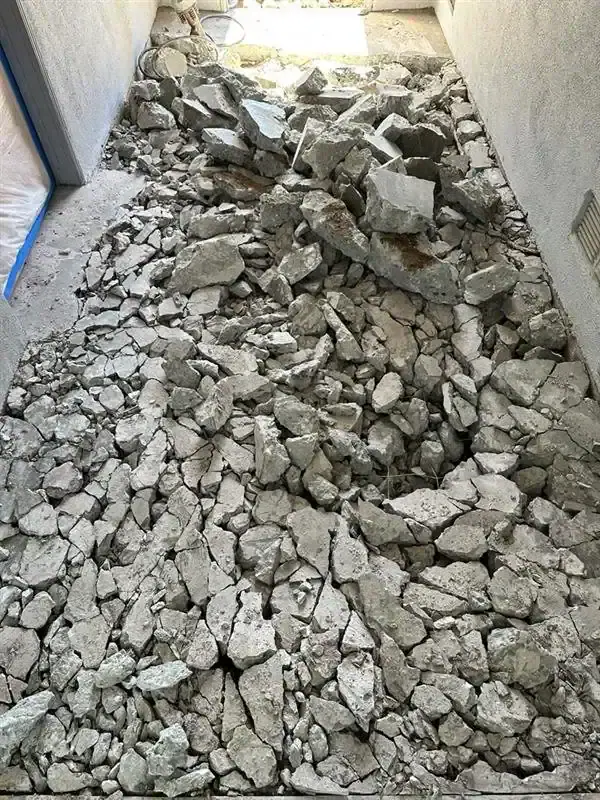
Concrete debris became landscape pathways.
Each decision conserved resources, reduced waste, and created an authentic, layered story of place.
Why Circular Construction Strengthens Communities
Circular construction extends beyond sustainability; it builds resilience. By reducing landfill dependency and sourcing materials locally, communities lower emissions and strengthen their ecological systems.
Pallrand notes, “When we reuse existing products, we lessen the need for new manufacturing. That means fewer emissions and a smaller footprint for everyone.”

Homeowners’ Role in Circularity
Even small actions matter:
Choose reclaimed or salvaged materials for remodels.
Repurpose furniture or fixtures before replacing them.
Partner with builders who prioritize deconstruction over demolition.
Circular construction starts at the personal level one thoughtful decision at a time.
Conclusion – The Circular Future of Design and Build
Circular construction asks us to design with time, not just space, in mind. Every reclaimed beam, reused tile, or restored finish carries forward the story of sustainability.
At Home Front Build, circular construction is more than a method, it’s a mindset that connects beauty, responsibility, and restoration.