What “Designing for Circularity” Really Means
In Los Angeles and beyond, home design is shifting. Homeowners and architects alike are rethinking how materials, craftsmanship, and waste coexist. Designing for circularity means creating homes that are not just beautiful and efficient, but restorative where every decision, from demolition to detail, contributes to the foundation of a circular economy.
As Steve Pallrand, founder and principal designer of Home Front Build, explains:
“Circular design is thoughtful design and mindfulness. It’s not just about reducing harms but working to restore the environment.”
Circularity challenges the industry’s “build new, discard old” mindset and replaces it with something far more intelligent: reuse, repurpose, and regenerate.
Why Circular Design Matters in Modern Construction
Every construction site tells a story of impact. In Los Angeles, where development is constant and landfills are shrinking, the importance of rethinking waste cannot be overstated.
“Most cities are running out of room for trash,” Pallrand notes. “We’ve gone from burning to landfilling to recycling and composting, but the next step is reuse. That’s circularity.”
Circularity isn’t just about environmental ethics, it’s about community resilience. When we reduce waste, reuse materials, and design with longevity in mind, we lessen the strain on city systems while nurturing healthier, more resilient neighborhoods.
Designing for Circularity – How It Begins
At Home Front Build, designing for circularity starts with a simple question:
“What already exists that we can use?”
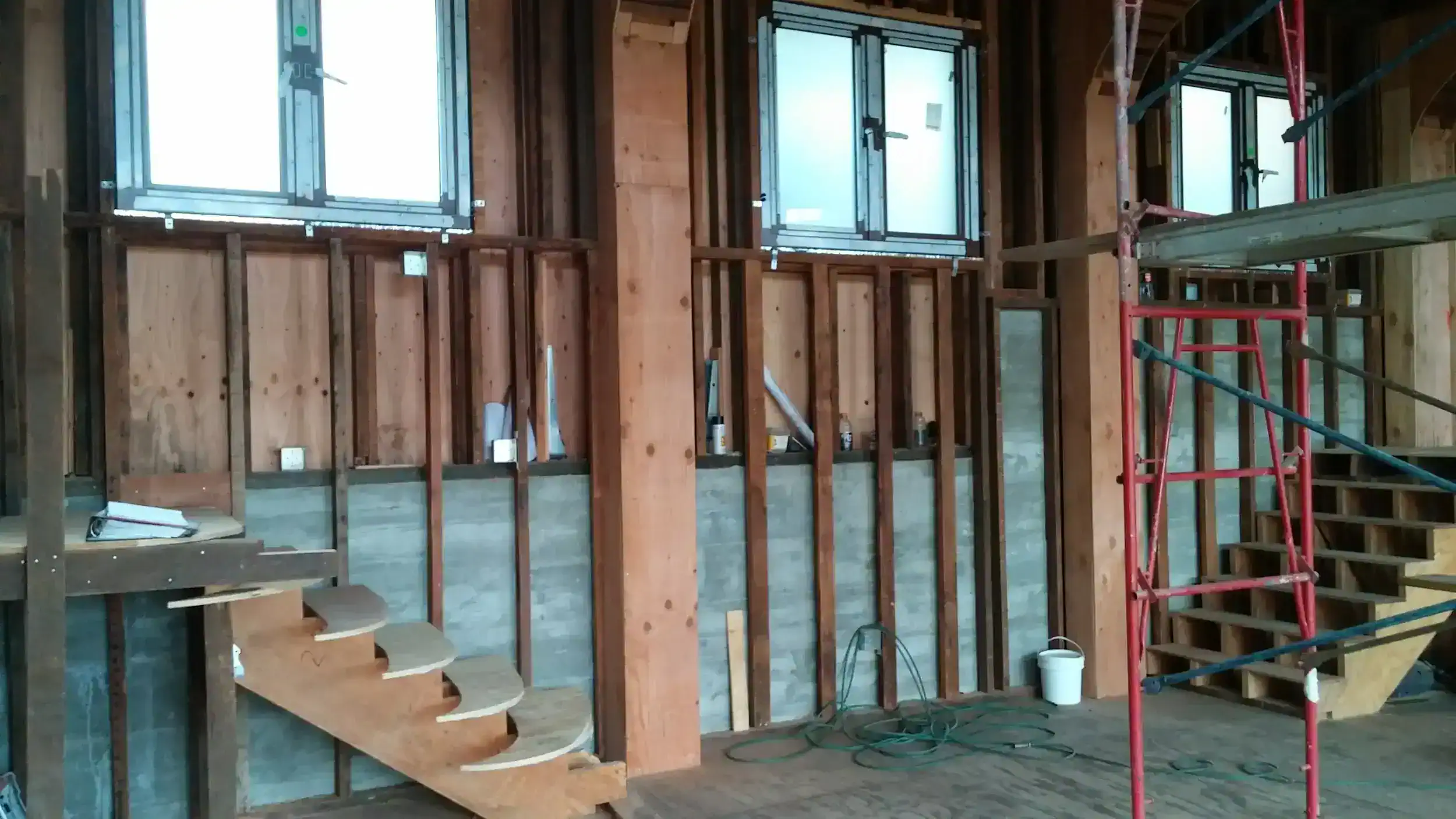
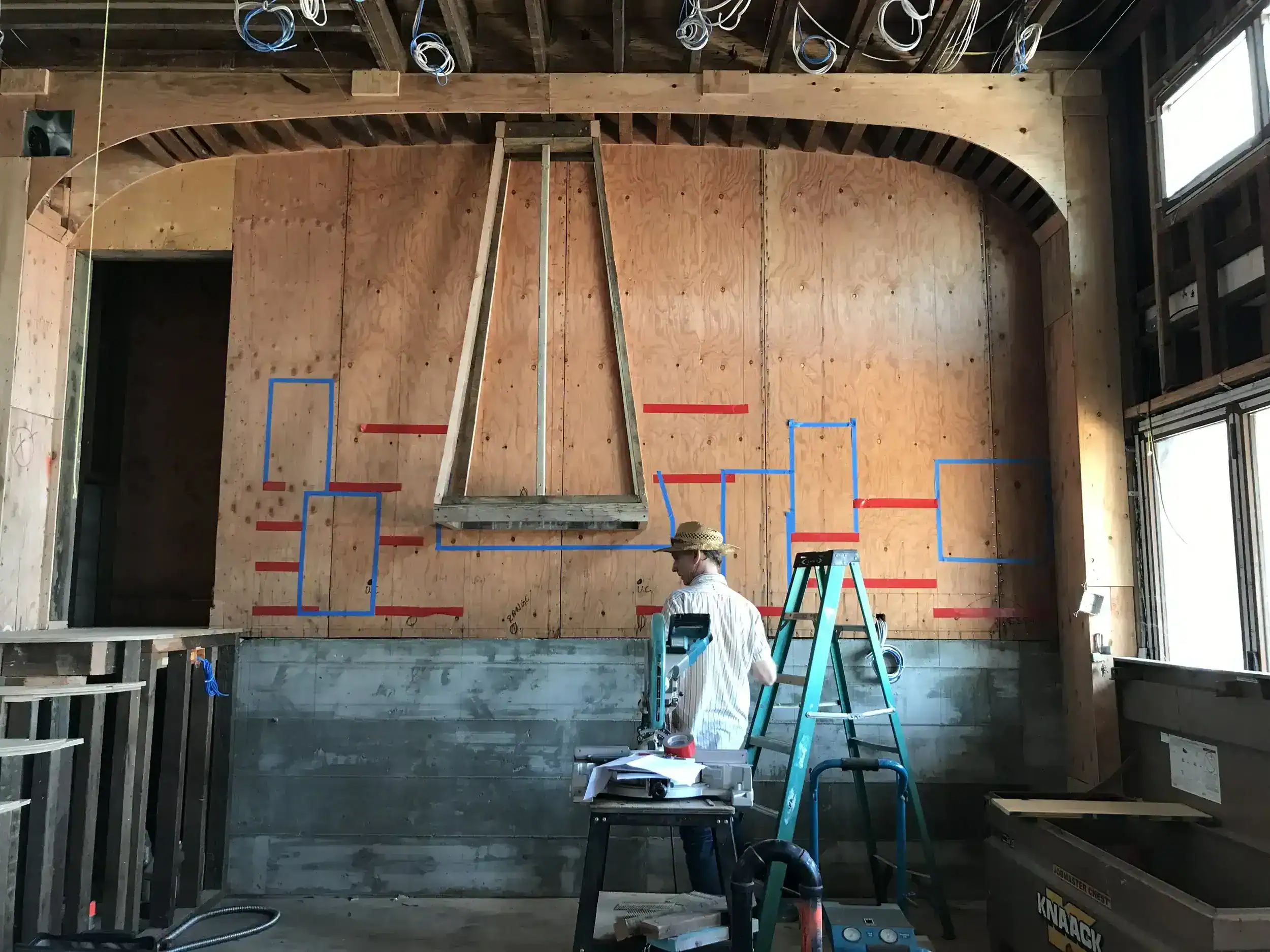
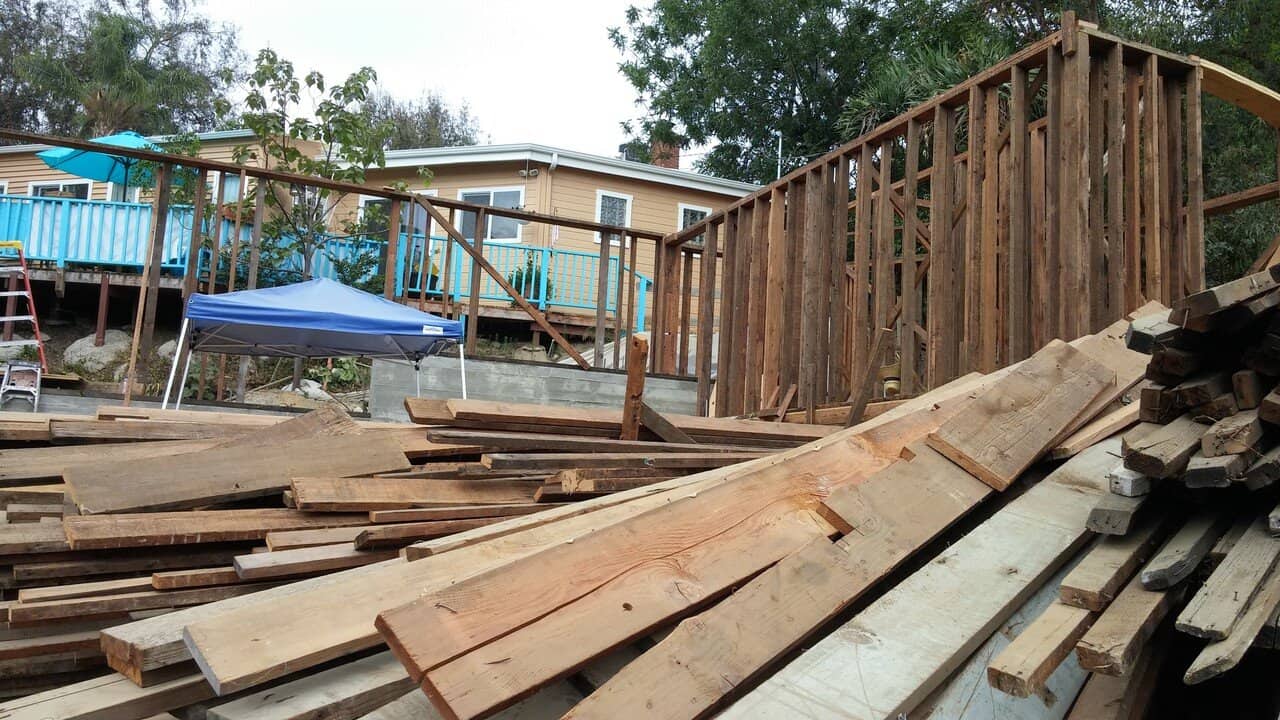
By examining what’s on the site from lumber to trees to tile the team finds creative ways to reimagine materials rather than discard them. For example:
Reusing lumber for framing or cabinetry.
Repurposing concrete into garden walls or pathways.
Transforming fallen trees into furniture or millwork.
These choices are not aesthetic compromises; they’re testaments to craftsmanship and care.
The Beauty of Imperfection – Aesthetic Meets Integrity
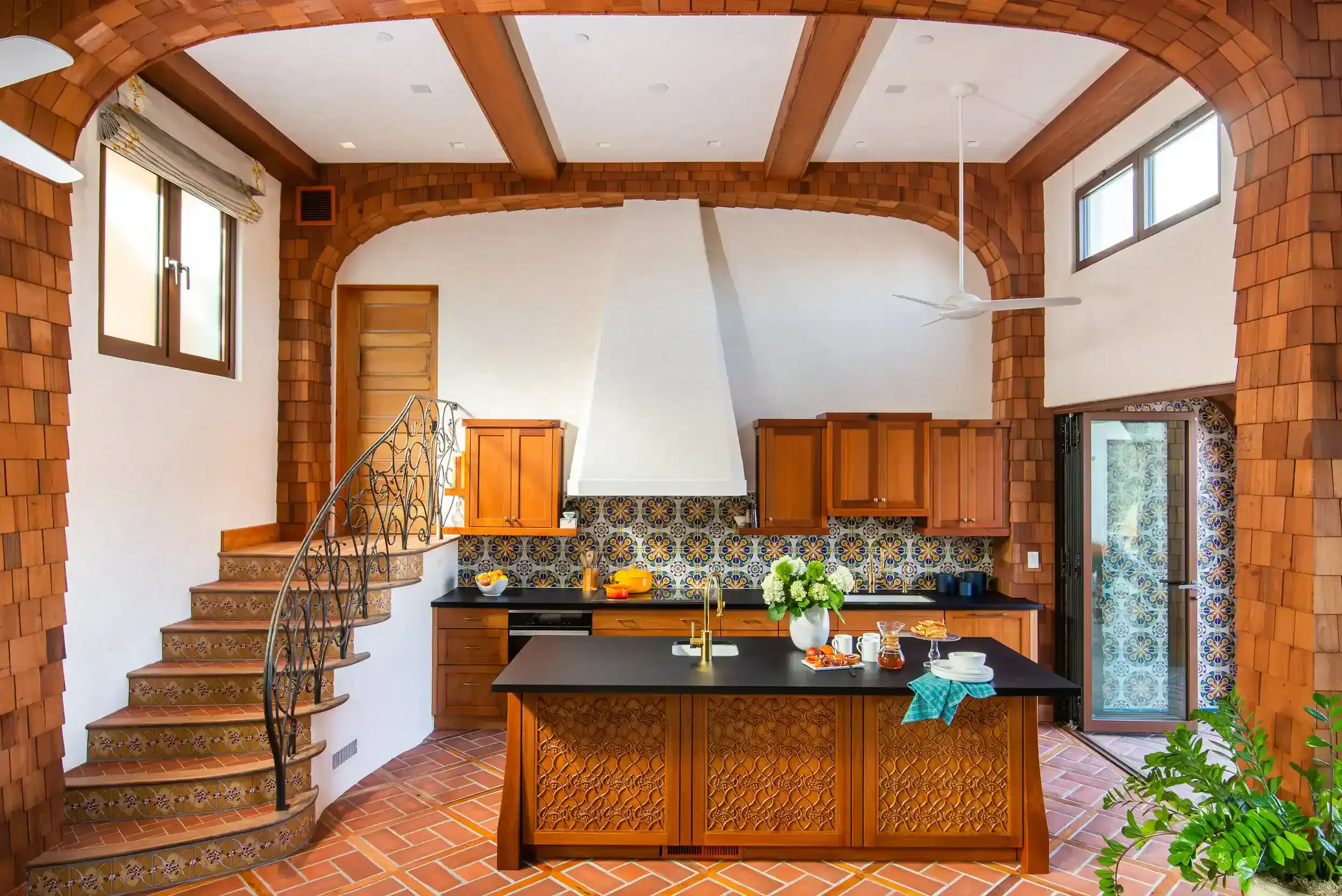
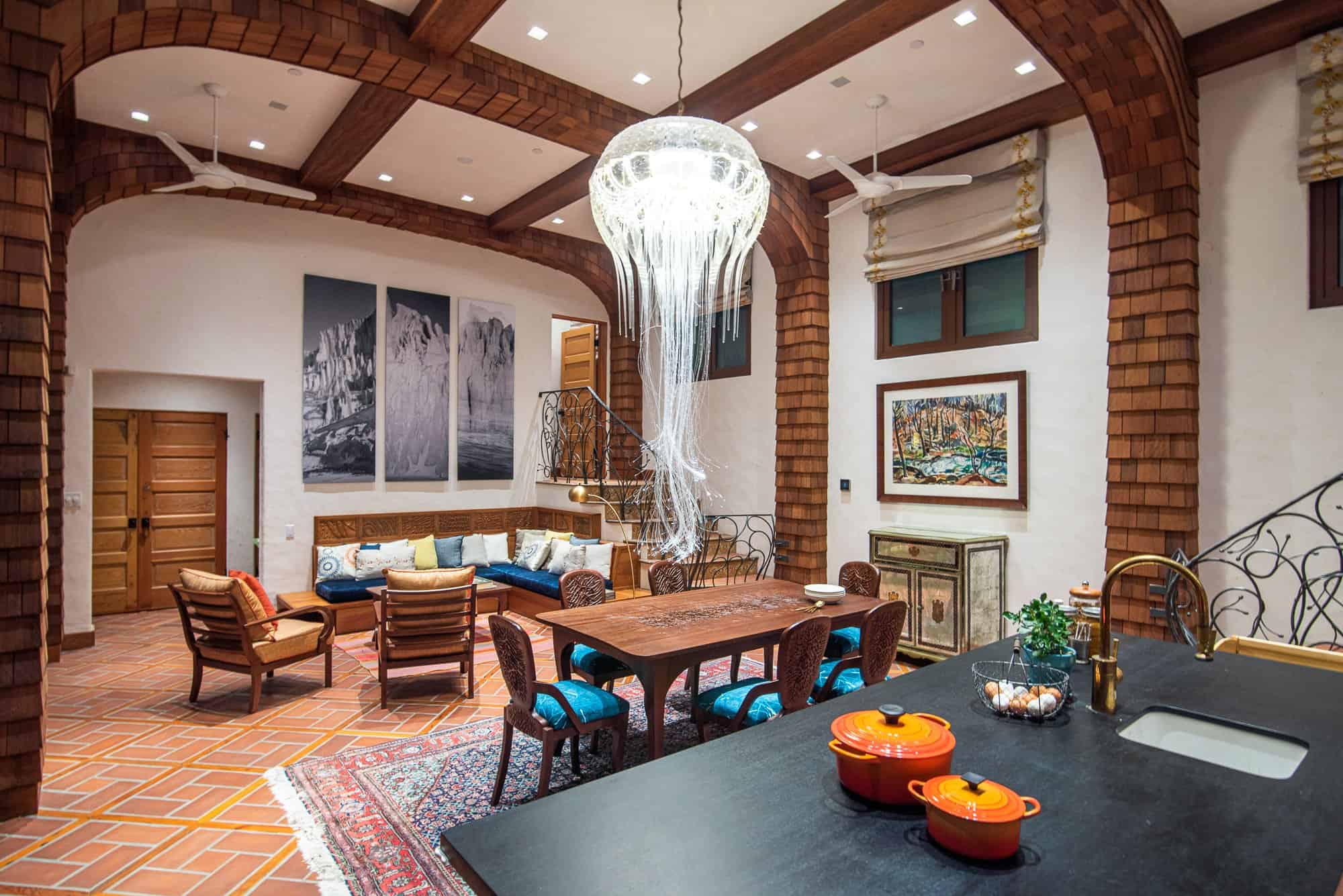
Circular design invites a new kind of beauty. One that celebrates the natural irregularities of reclaimed materials.
“There’s beauty in a natural, organic material that isn’t regular,” Pallrand says. “It’s not natural to cut things down into perfect components.”
In high-end homes, this approach transforms expectation. The warm patina of reclaimed wood or the subtle wear on repurposed tile tells a story that new materials simply can’t replicate.
Education on Circular Home Design is the Key to Change
The biggest challenge? Awareness.
“People don’t know what’s possible unless they’re educated,” Pallrand explains.
Circular design thrives when homeowners understand that reusing materials doesn’t mean sacrificing luxury it means elevating meaning. It’s craftsmanship with conscience.
Designing for the Future We Want to Live In
Circularity is not a trend. It’s the evolution of sustainable building.
At Home Front Build, each project is an opportunity to build smarter homes that honor what came before, adapt to what’s now, and protect what’s next.