

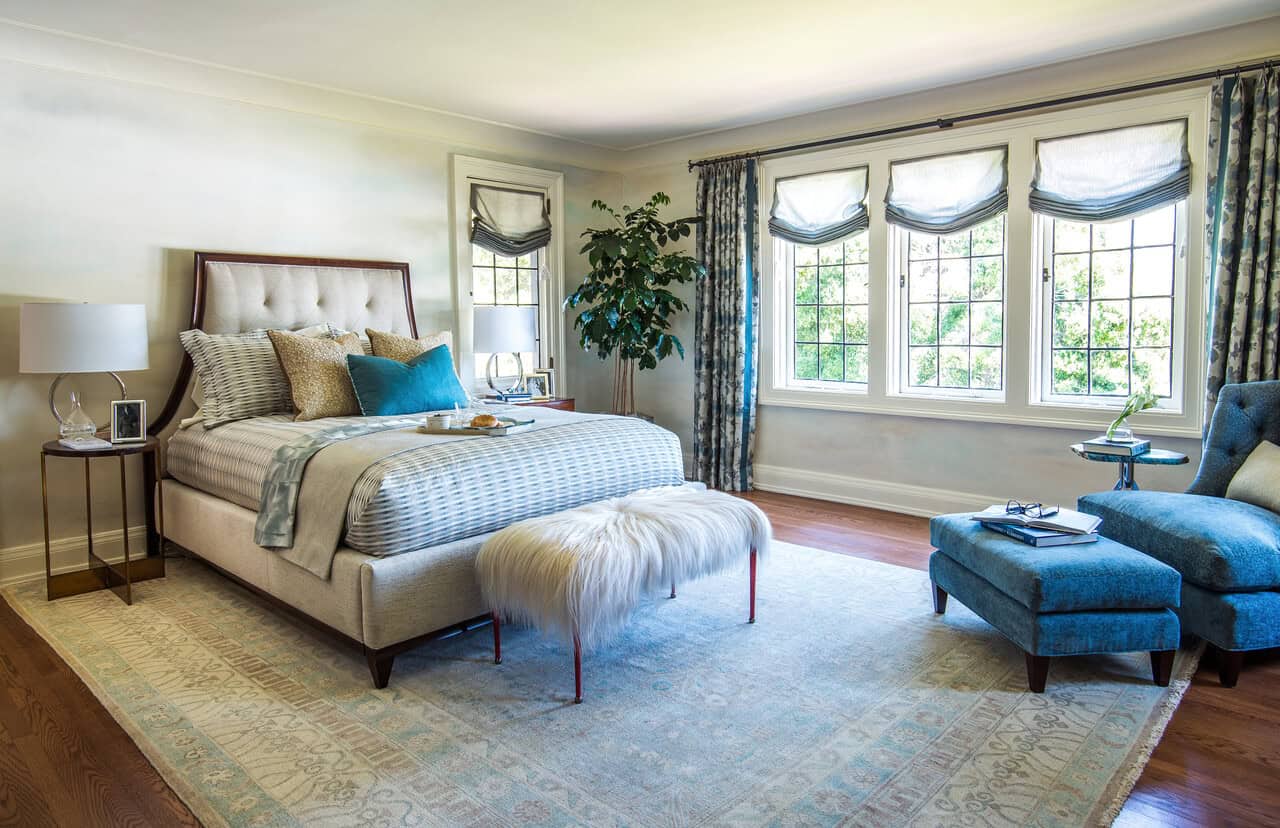
Furnishing your home is one of the final steps in a remodel and one of the easiest places to make expensive mistakes.
After investing in construction, flooring, and finishes, many homeowners rush through furniture decisions based on looks alone. But furniture and home accessories aren’t just decorative. They affect how your home functions, how it feels day to day, and how long everything holds up.
We look at furniture the same way we look at building materials: it should be durable, practical, and built to last.
Here’s how to make smarter choices and what to avoid.
Why Furniture Styles Matter More Than You Think
Furniture isn’t just about filling a space. It impacts:
- daily comfort and usability
- maintenance and upkeep
- indoor air quality
- long-term replacement costs
The wrong choices can lead to:
- early wear and tear
- constant replacements
- wasted money
The right choices:
- last for years
- age well
- make your home easier to live in
First Rule: Avoid “Fast design Furniture”
One of the biggest mistakes homeowners make is buying cheap, mass-produced furniture expecting it to last.
What to watch out for:
- particleboard or MDF construction
- thin veneers over low-quality cores
- stapled or glued joints instead of solid joinery
- pieces that feel lightweight or hollow
These materials are inexpensive but they don’t hold up.
Why it matters:
- particleboard swells when exposed to moisture
- repairs are often impossible
- pieces end up getting replaced instead of fixed
This is the furniture version of cutting corners in construction.
What to Look for in Furniture
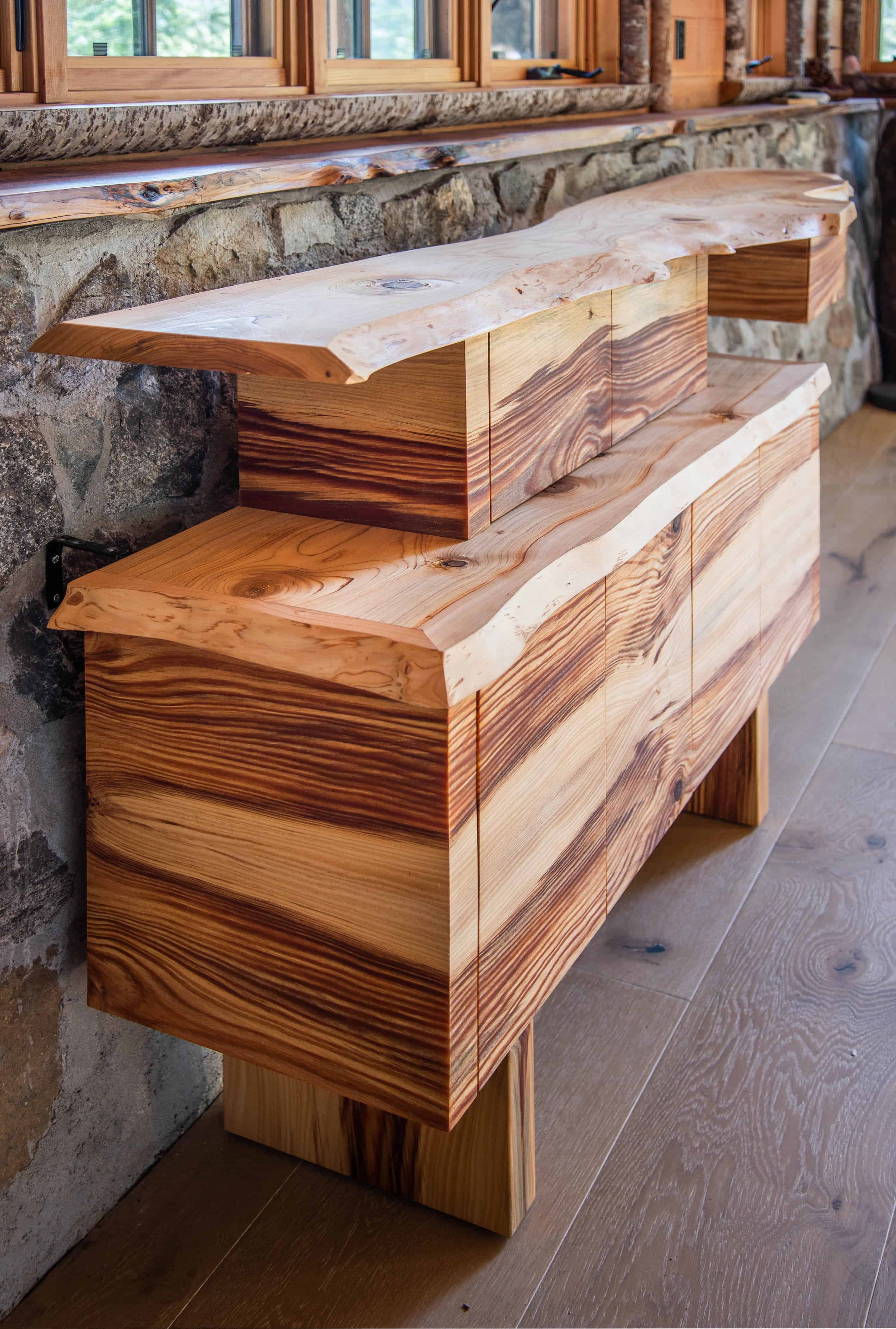
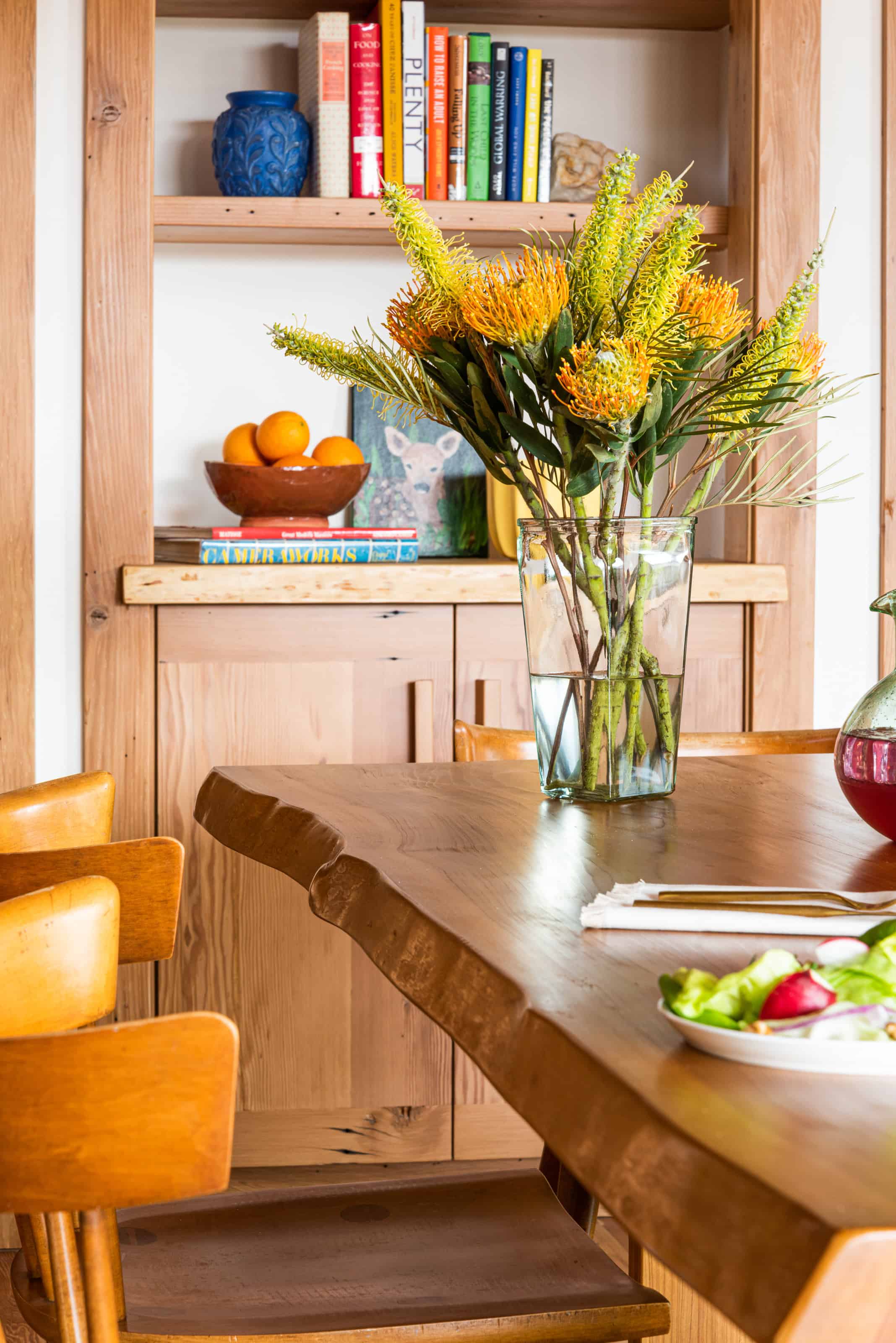
If you want furniture that lasts, focus on materials and construction.
Solid Wood (or High-Quality Engineered Wood)
- durable
- repairable
- ages well over time
Quality Upholstery Materials
- natural fibers like cotton, linen, or wool
- tightly woven fabrics that resist wear
Strong Joinery
- screwed, doweled, or mortise-and-tenon joints
- not just glue or staples
HFB Take
You don’t need to buy everything high-end but your key pieces (sofa, dining table, bed frame) should be built to last.
Think Long-Term Furniture, Not Trendy Furniture
Trendy furniture is one of the fastest ways to waste money.
Common mistake:
Buying pieces that look good today but won’t age well in 2–3 years.
Better approach:
- choose neutral, timeless designs
- focus on proportion and function
- use accessories (pillows, decor) to change style over time
It’s much easier to swap decor than replace furniture.
Indoor Air Quality: What Most People Overlook
Furniture and finishes can impact your home’s air quality more than most people realize.
Many products are made with:
- adhesives
- paints
- sealants
- synthetic materials
These can release VOCs (volatile organic compounds) into the air over time.
Why it matters:
- affects comfort and indoor air quality
- especially important in bedrooms and living areas
What to look for:
- low-VOC or non-toxic finishes
- solid materials instead of heavily processed composites
- natural fabrics when possible
HFB Take
You don’t need to overcomplicate this, just avoid the cheapest materials and look for quality where it counts.
Functional Furniture Over Aesthetics
A piece can look great but still be a bad choice.
Ask yourself:
- Will this hold up to daily use?
- Is it easy to clean and maintain?
- Does it fit how we actually live?
Examples:
- light-colored fabric in high-traffic homes → harder to maintain
- delicate materials in family homes → wear quickly
- oversized furniture → hard to move and adapt
Good design is about how something performs, not just how it looks.
Furniture Materials: Mixing the Right Way
Furniture often combines multiple materials: wood, metal, fabric, etc.
What to watch for:
- materials that expand and contract differently
- weak connection points between materials
- finishes that wear unevenly
Better approach:
- keep primary materials consistent
- choose quality construction over complex design
Buy Less, Buy Better
You don’t need to furnish everything at once.
One of the best strategies is:
Buy fewer, better pieces over time
Benefits:
- higher quality
- more intentional design
- less waste
- better long-term value
HFB Take
We often see homeowners rush to fill a space and end up replacing everything later.
Take your time.
Vintage Furniture: A Smart Option
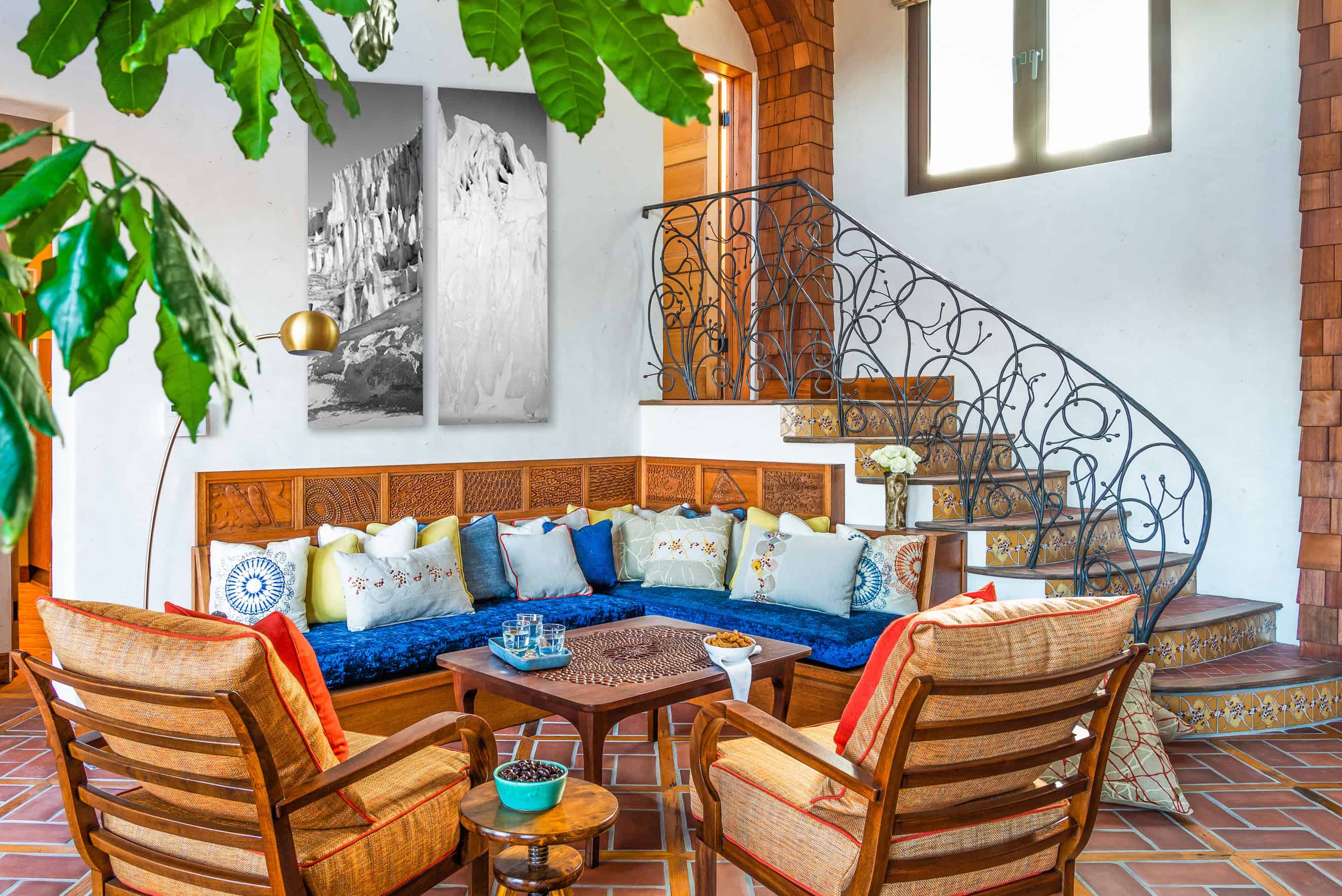
Not everything has to be new.
Secondhand and vintage pieces can be:
- higher quality than new furniture
- more durable
- more unique
Where this works well:
- wood furniture
- accent pieces
- decor
What to check:
- structural integrity
- condition of joints
- signs of water damage
Older pieces were often built better than modern fast furniture.
Furniture Styles to Avoid
Here are the most common mistakes we see:
Cheap Composite Furniture
- doesn’t last
- difficult or impossible to repair
Overly Trendy Pieces
- go out of style quickly
- lead to frequent replacements
Low-Quality Upholstery
- wears out fast
- harder to clean
Overfurnishing
- makes spaces feel smaller
- reduces flexibility
What Furniture Pieces HFB Recommends
For most HFB projects, we guide clients toward:
Solid, Well-Built Core Pieces
- sofa
- dining table
- bed frame
Neutral, Flexible Design
- timeless base
- adaptable accessories
Low-Toxic Finishes and Materials
- especially in bedrooms and living areas
Quick Furniture Checklist
Before buying any furniture or decor, ask:
- Is this built to last?
- Can it be repaired if needed?
- Will it still work in 5–10 years?
- Does it fit how we actually use the space?
If the answer is no, it’s probably not worth it.
What makes furniture durable?
Durable furniture is typically made from high-quality materials like solid wood, metal, or kiln-dried hardwood. Construction methods also matter—look for features like dovetail joints, reinforced corners, and sturdy frames rather than staples or glue alone.
How long does furniture last on average?
On average, most furniture lasts about 10–15 years depending on quality and brand.
Are expensive furniture pieces always better quality?
While higher prices can indicate better materials and craftsmanship, however, it’s still important to assess construction quality, materials, and brand reputation rather than relying on price alone.
How important is furniture construction compared to materials?
Both are equally important. Even the best materials won’t last if the construction is poor. Strong joinery and a solid frame are essential for long-lasting durability.
How can I choose furniture that will last in high-traffic areas?
Opt for stain-resistant fabrics, durable finishes, and sturdy materials like hardwood or metal. Avoid delicate fabrics and finishes in frequently used spaces.
How can I maintain furniture to extend its lifespan?
Regular cleaning, using coasters, avoiding direct sunlight, and following manufacturer care instructions can help extend the life of your furniture.
How often should furniture be replaced?
Well-made furniture can last decades with proper care. Replacement usually depends more on wear, damage, or changing needs rather than a set timeline.
What is vintage style furniture?
Vintage-style furniture refers to pieces designed to resemble furnishings from a previous era, typically between 20 and 100 years old, or are authentic items originating from those time periods. Common vintage furniture styles include mid-20th century design, Victorian style, Art Deco, and mid-century modern aesthetics.
What is Scandinavian furniture style?
Scandinavian furniture style is a design movement that originated in the Nordic region of Scandinavia and is celebrated for its simplicity, functionality, and timeless appeal.
What is mission style furniture?
Mission style furniture is a design style that originated in the late 19th century as part of the American Arts and Crafts movement. It is known for its simple, sturdy construction and emphasis on natural materials and craftsmanship.
What is transitional furniture style?
Transitional style is all about harmony. It bridges the gap between traditional elegance and modern minimalism, making it ideal for people who want a classic look that still feels fresh and modern.
Serving, Los Angeles County – Mt. Washington, Hancock Park, Hollywood Hills, Malibu, Los Feliz, Pacific Palisades, Brentwood, Pasadena, Glendale, Santa Monica, Pacific Palisades, Malibu, Bel Air, Beverly Hills, Pasadena, South Pasadena, Burbank, Glendale, and surrounding areas.