 Flooring is one of the biggest decisions you’ll make in a home remodel and one of the hardest to change later.
It affects how your home looks, how it feels underfoot, how much maintenance you’ll deal with, and how well your space holds up over time. But most homeowners don’t think about flooring beyond color or style until it’s too late.
If you’re remodeling or building in Los Angeles or the surrounding areas, here’s what you should know before choosing your floors.
Why Flooring in Interior Design Matters
Flooring covers every square foot of your home. That means it plays a major role in:
-
- daily wear and tear
-
- maintenance and cleaning
-
- indoor air quality
-
- comfort and noise
-
- long-term replacement costs
The wrong choice can mean:
-
- constant upkeep
-
- faster deterioration
-
- higher replacement costs
The right choice can last decades with minimal issues.
First Decision: Carpet vs. Hard Surface Flooring
Before getting into materials, the biggest decision is this:
Do you want carpet, or a hard surface flooring?
What you need to know about carpet
Carpet is still common, especially in bedrooms, but it comes with tradeoffs.
Pros:
-
- soft underfoot
-
- helps with insulation and sound
Cons:
-
- traps dust, allergens, and odors
-
- harder to clean and maintain
-
- shorter lifespan (typically 5–20 years)
-
- can retain moisture and lead to mildew or mold
-
- often made with synthetic materials
Carpet also tends to hold onto whatever gets brought in from outside dirt, pollen, and other particles which can impact indoor air quality over time.
Our Take
We rarely recommend carpet for main living areas.
If you like the feel of carpet, a better approach is:
-
- use area rugs over hard flooring
-
- limit carpet to bedrooms if needed
It gives you flexibility without committing your entire home to it.
What Are the Best Flooring Options for Most Homes?
If you’re going with hard surface flooring, here are the options we see most often — and how they actually perform.
Hardwood Flooring (Solid + Engineered)
Why It’s Popular
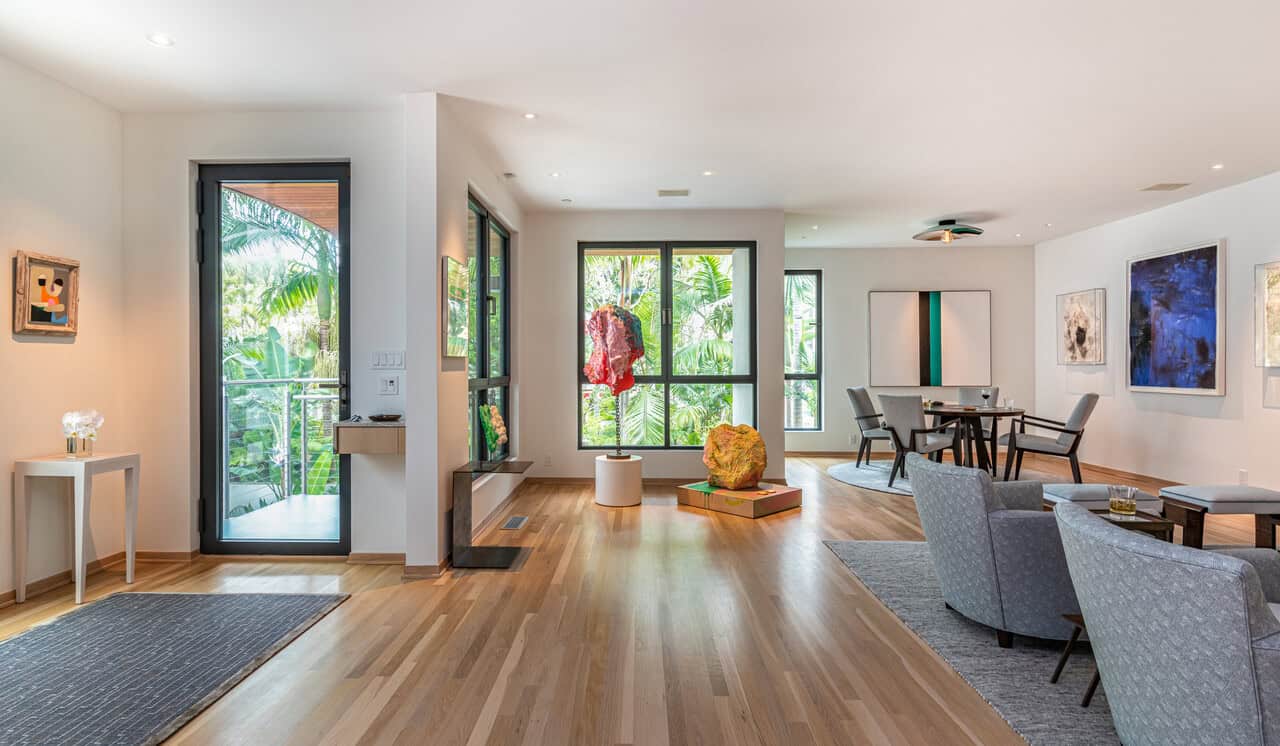
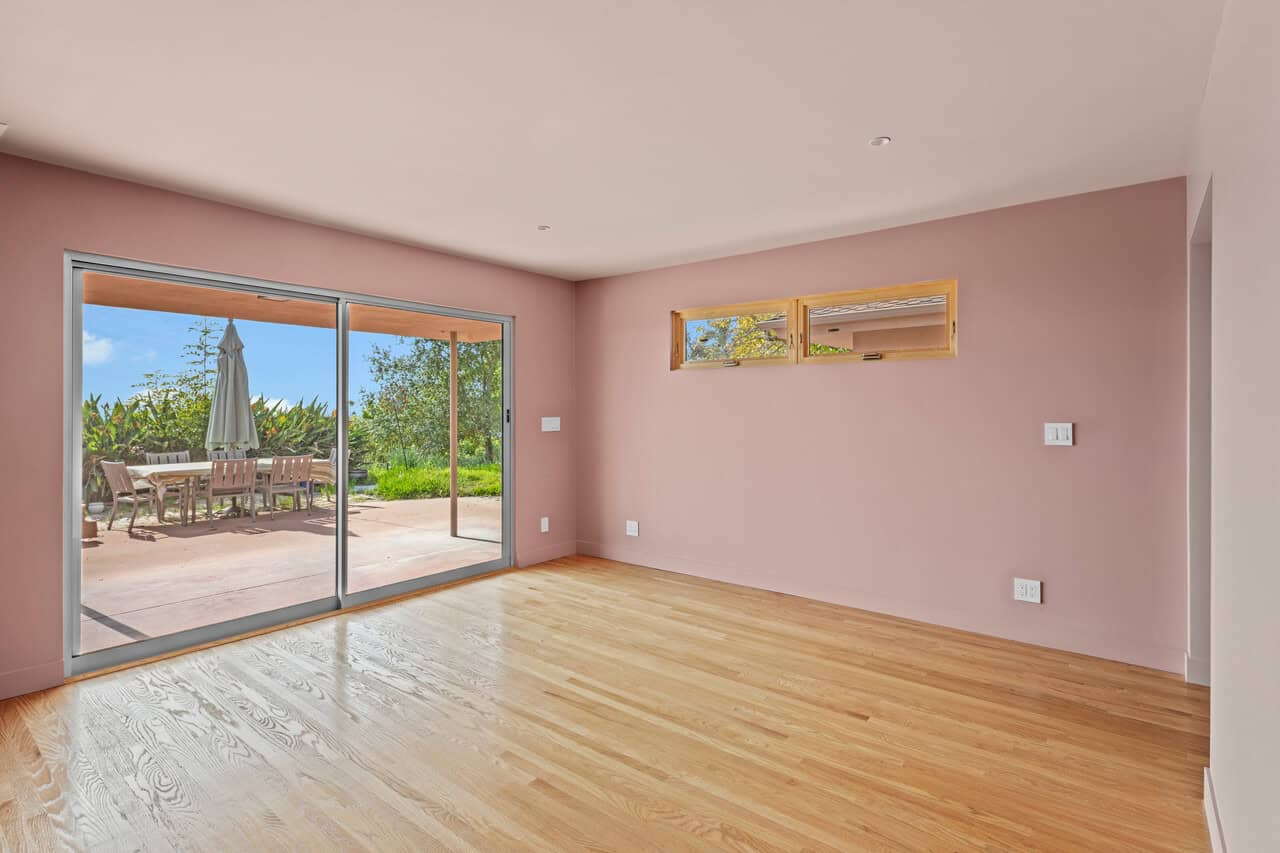
Hardwood is one of the most timeless flooring choices. It adds warmth, value, and works with almost any design style.
Solid Hardwood
-
- made from a single piece of wood
-
- can be sanded and refinished multiple times
-
- long lifespan
Engineered Hardwood
-
- plywood core with a hardwood veneer
-
- more stable with temperature and moisture changes
-
- often more practical for modern homes
Pros:
-
- long-lasting
-
- can be refinished instead of replaced
-
- strong resale value
-
- classic look
Cons:
-
- can be sensitive to moisture
-
- higher upfront cost
-
- can scratch over time
HFB Take
Engineered hardwood is usually the better choice in Altadena, Pasadena, Los Feliz homes. It handles environmental changes better while still giving you the look of real wood.
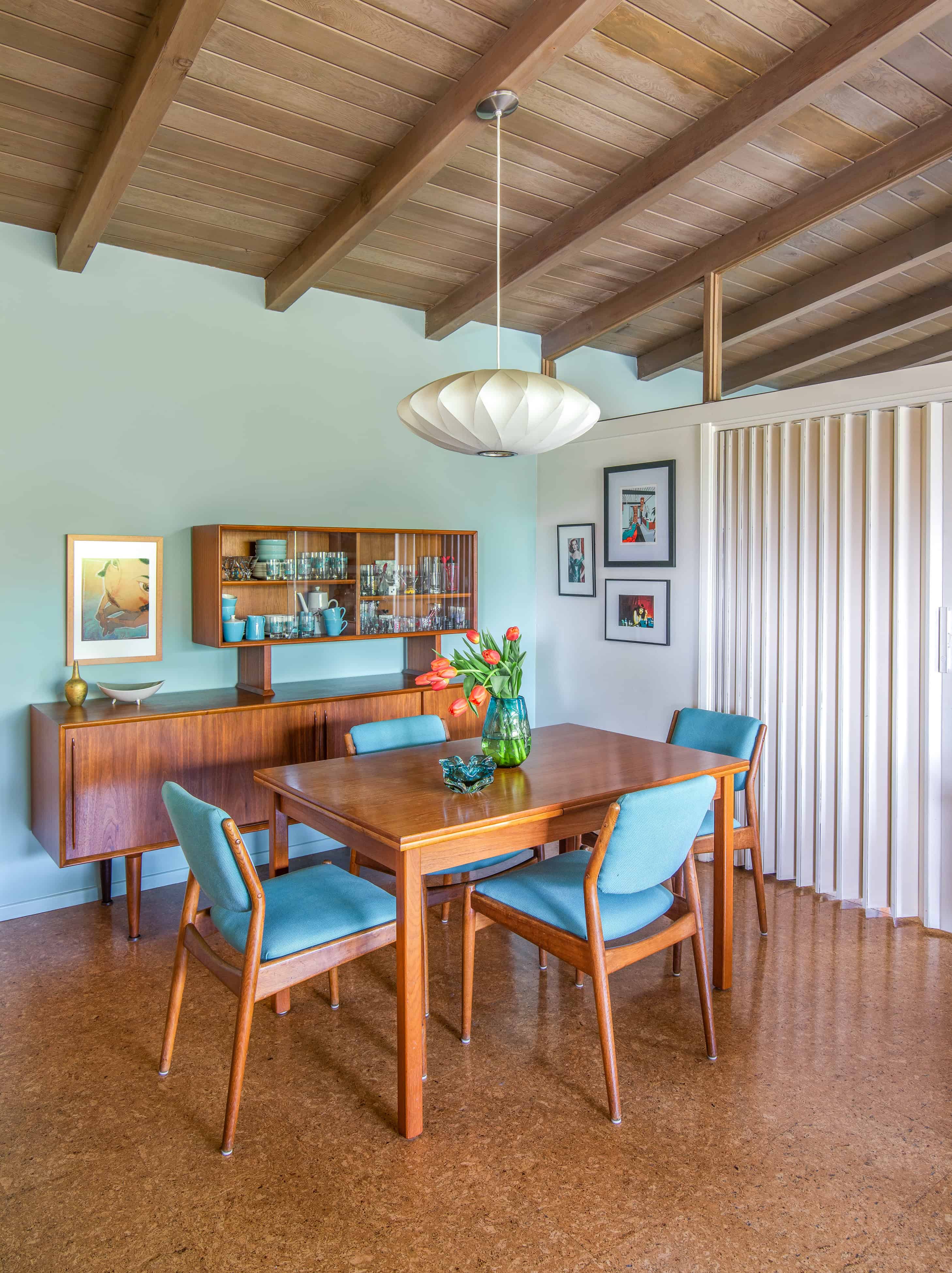
Cork Flooring
Cork isn’t as common, but it has some unique advantages.
Pros:
-
- soft and comfortable underfoot
-
- naturally insulating and sound-absorbing
-
- resistant to mold and pests
-
- renewable material
Cons:
-
- requires sealing and maintenance
-
- can fade in direct sunlight
-
- sensitive to moisture and humidity
HFB Take
Cork works well in low-traffic, design-forward spaces, but it’s not our go-to for high-use areas.
Bamboo Flooring
Bamboo is often marketed as a hardwood alternative, but it behaves a little differently.
Pros:
-
- very durable
-
- fast-growing, renewable material
-
- resistant to moisture and pests
-
- long lifespan (20–50 years)
Cons:
-
- limited design variety
-
- can scratch
-
- quality varies depending on manufacturer
HFB Take
Bamboo can be a solid option, but quality matters a lot. We recommend it selectively, not as a default.
Tile (Ceramic, Porcelain, and More)
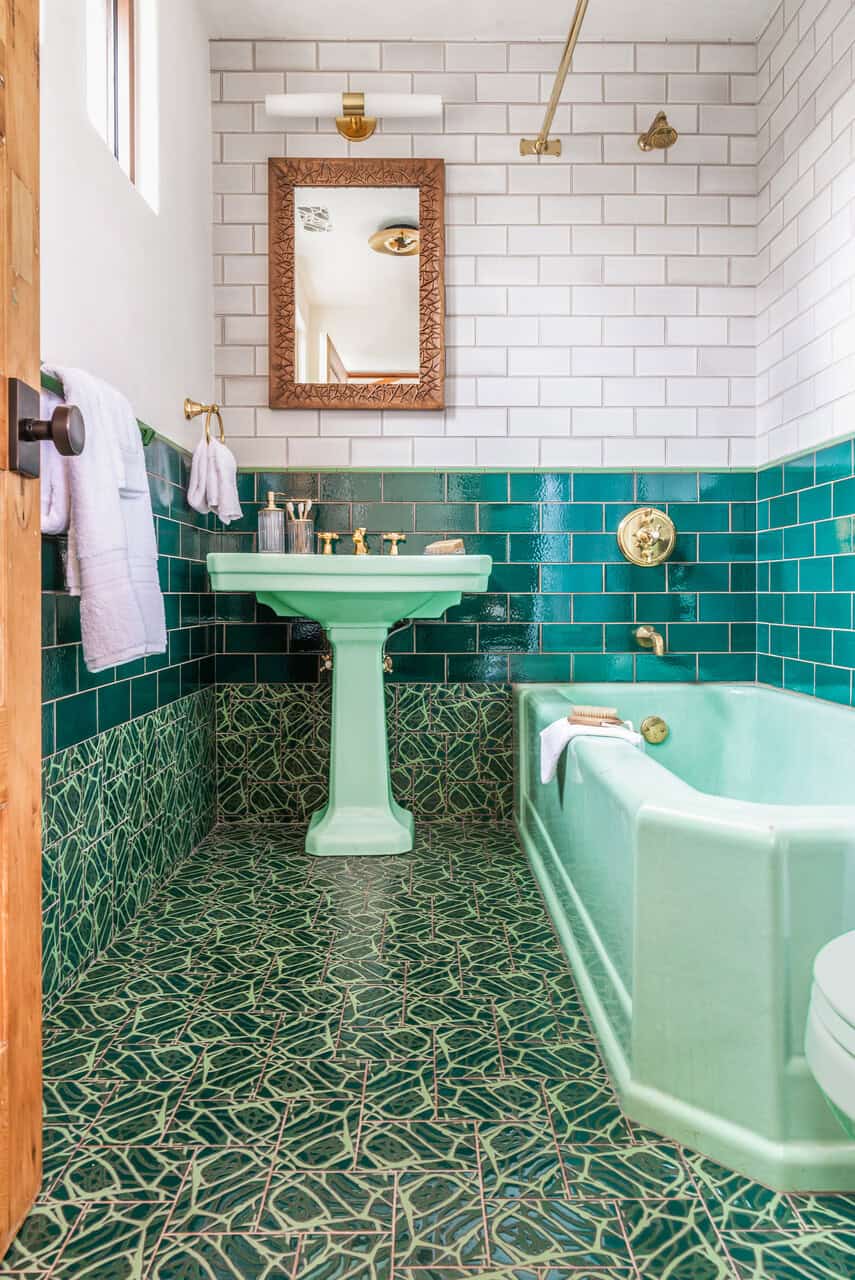
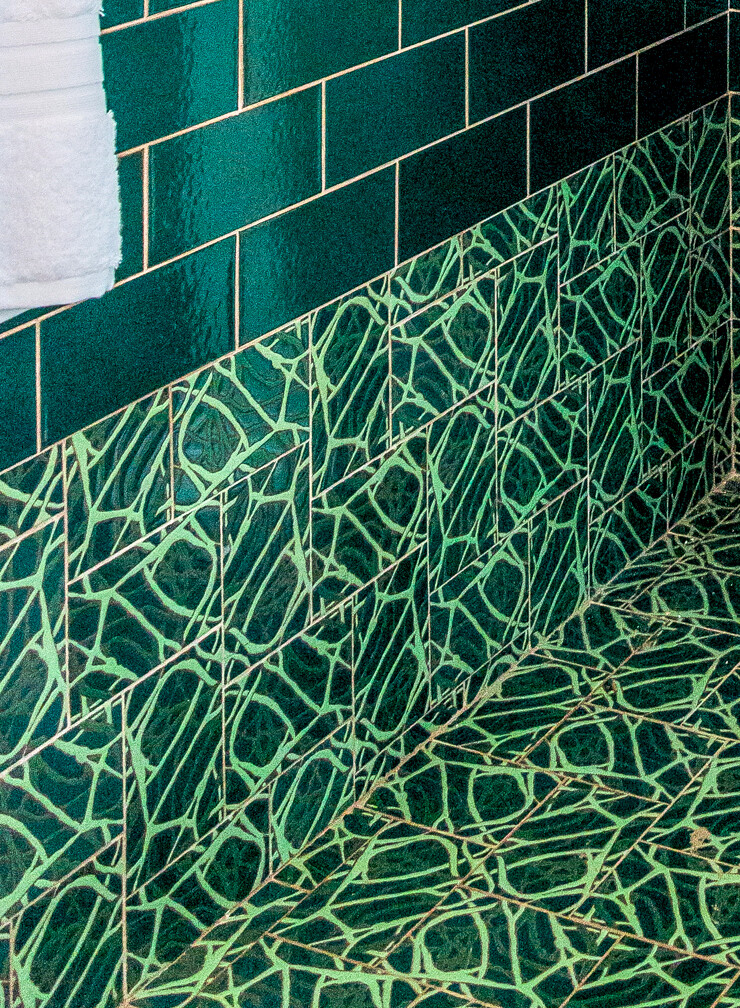
Tile is one of the most durable flooring options available.
Pros:
-
- extremely durable
-
- water-resistant
-
- ideal for kitchens, bathrooms, and high-traffic areas
-
- low maintenance
Cons:
-
- hard underfoot
-
- can feel cold
-
- grout requires maintenance
HFB Take
Tile is a great choice for:
-
- bathrooms
-
- kitchens
-
- entryways
For whole-home flooring, it can feel too rigid unless paired thoughtfully with other materials.
Natural Linoleum (Not Vinyl)
Linoleum is often confused with vinyl, but they’re very different.
Pros:
-
- made from natural materials
-
- durable and long-lasting
-
- low maintenance
-
- softer feel than tile
Cons:
-
- fewer design options
-
- requires proper installation
HFB Take
Linoleum is underrated. It’s a great option for homeowners looking for something durable but slightly softer than tile.
Types of flooring options to avoid
Some materials are popular but come with drawbacks homeowners don’t always expect.
Synthetic Carpet (Wall-to-Wall)
-
- traps allergens and moisture
-
- wears out quickly
-
- harder to clean
Best avoided outside of specific use cases.
Vinyl Flooring
-
- widely used because it’s affordable
-
- but made from synthetic materials
-
- can emit chemicals over time
-
- difficult to recycle
We typically recommend alternatives when possible.
Cheap Laminate
-
- can look good initially
-
- but doesn’t age well
-
- cannot be refinished
-
- often needs full replacement
Works for short-term solutions, not long-term investment.
Why Professional Floor Installation Matters More Than You Think
Even the best flooring can underperform if installed incorrectly.
What to look for:
-
- Nail-down or click-lock systems (more stable, less chemical use)
-
- Low-VOC adhesives if glue is required
-
- proper subfloor preparation
-
- moisture control
Poor installation can lead to:
-
- warping
-
- gaps
-
- squeaking
-
- premature failure
For Most HFB Projects We Recommend
Engineered Hardwood
Best balance of:
-
- durability
-
- Appearance
-
- long-term value
Tile (for specific areas
-
- Bathrooms
-
- Kitchens
-
- high-traffic zones
Area Rugs Instead of Carpet
-
- gives comfort without long-term downsides
Quick Comparison
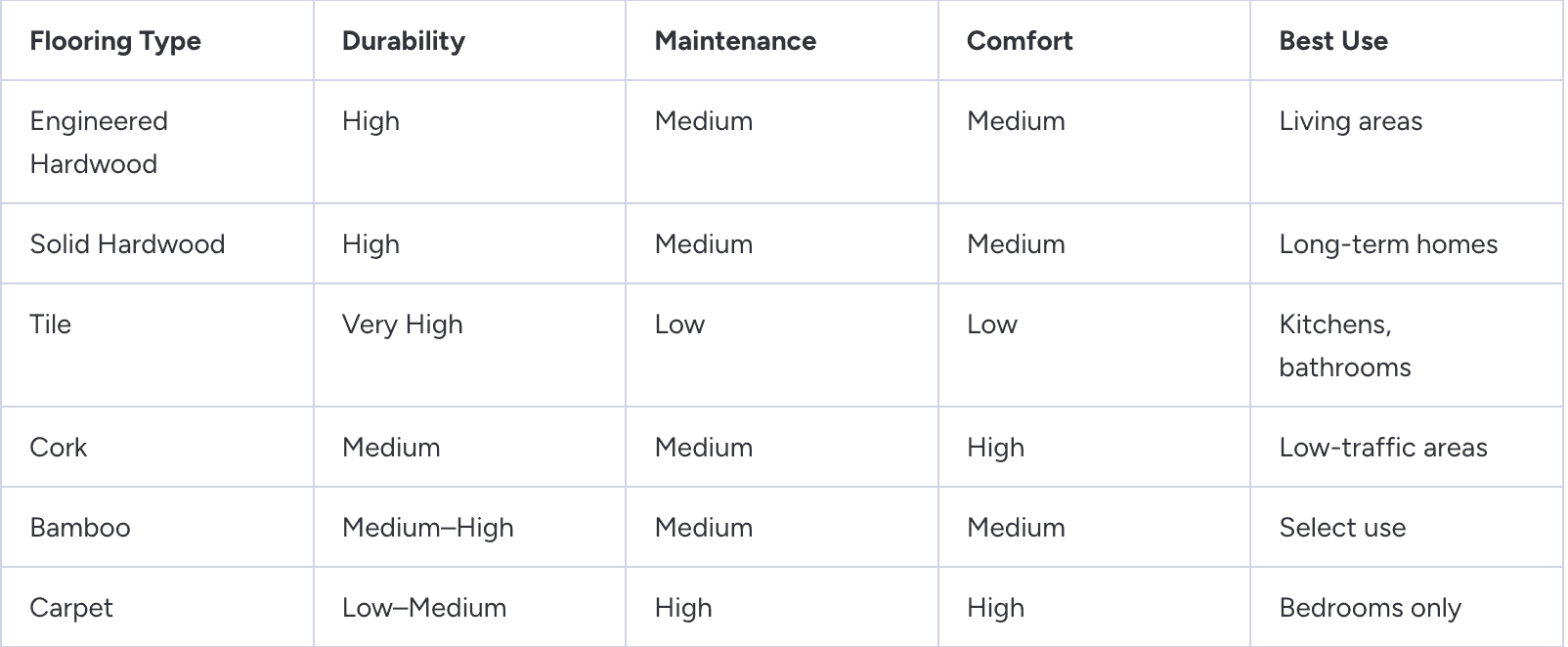
Flooring is one of those decisions that impacts your home every single day but it’s often underestimated during planning.
The best choice isn’t always the trendiest or the cheapest. It’s the one that fits how you live, how much maintenance you want to deal with, and how long you plan to stay in the home.
HFB guides clients toward flooring decisions that balance design, durability, and long-term value so you don’t have to redo it a few years down the line.
Because when it comes to flooring, doing it right the first time makes all the difference.