The most enduring homes are not built to impress a moment. They are built to outlast one.
Somewhere between the first site visit and the final walkthrough, a home becomes more than a construction project. It becomes a living argument for how we want to inhabit the world, how much energy we draw from it, what materials we trust inside it, and what we leave behind when we are gone. That is the promise of high-performance, sustainable design. And it is one that Home Front Build takes seriously from the first line drawn.
The concept has moved well beyond trend. Today, a truly sustainable home reflects a clear set of integrated principles: consume fewer resources, maintain healthier interior environments, and build from materials that do not compromise the people living within them. When those principles are woven into a project from its earliest stages, not bolted on as afterthoughts, the result is a home that is not only more responsible, but more enduring.
What Makes a Home Functional?
It starts with a framework and in residential design, the most recognized one is LEED.
Leadership in Energy and Environmental Design evaluates homes across five domains: energy use, water efficiency, indoor air quality, material selection, and site integration. Earning certification requires more than swapping in efficient appliances; it demands a cohesive approach that begins in design and carries without interruption through construction and completion.
California holds more than 10% of the nation’s LEED-certified homes, and for good reason. The climate, the regulatory landscape, and the California homeowner’s expectation of quality all push toward higher performance. Title 24 energy compliance sets a floor. The homes we build aim considerably higher integrating systems and material choices that compound in their benefit over the life of the structure.
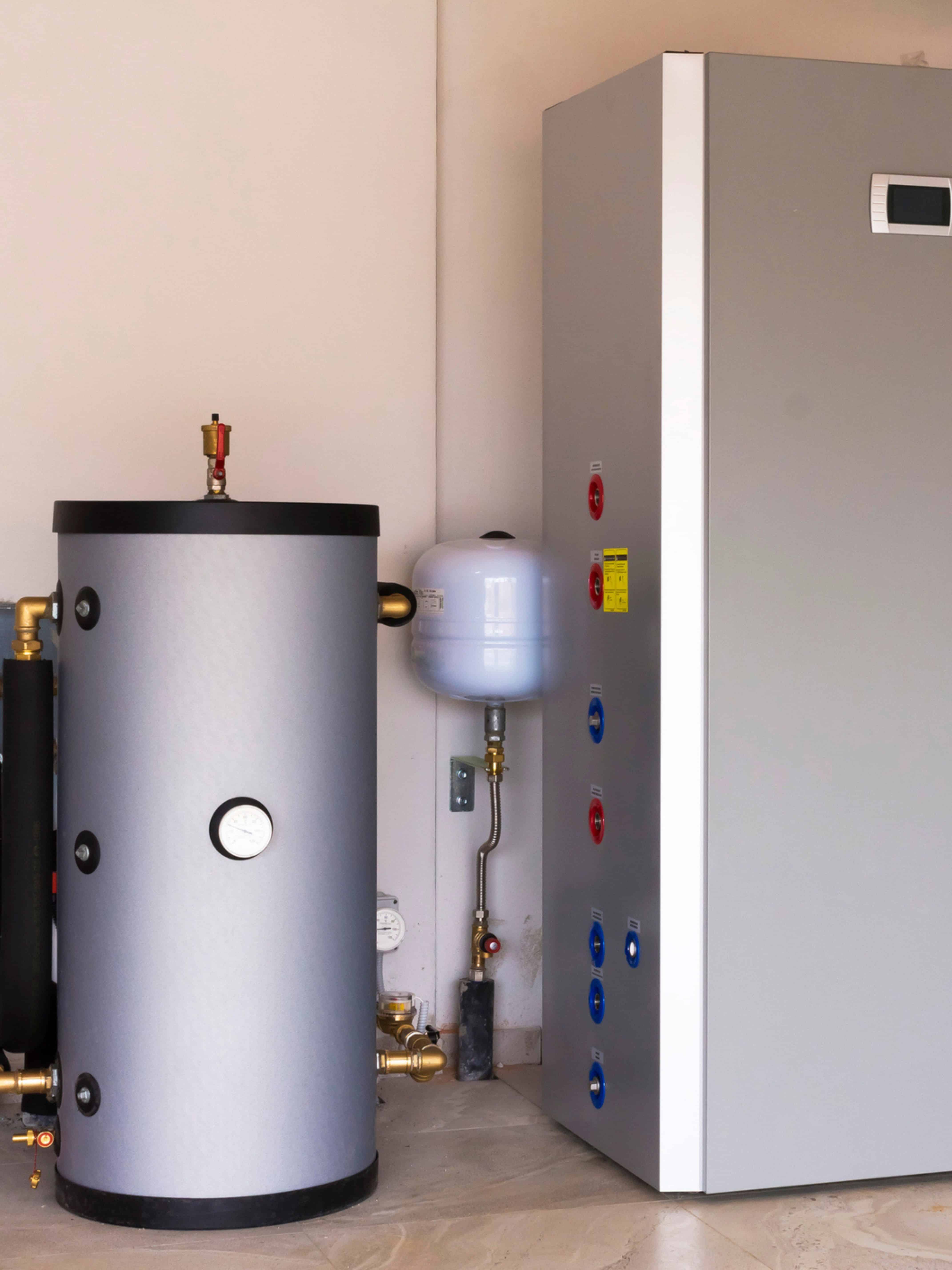
Residential Energy Management System
Picture a home that generates its own power, conditions its own air with quiet efficiency, and draws from the grid only when it chooses to. That is not a future concept. It is what integrated energy design looks like today.
Solar energy remains the most consequential single decision a homeowner can make to reduce long-term carbon footprint and energy cost. In Southern California’s near-constant sun, on-site photovoltaic generation is not aspirational, it is logical. When the roof structure is designed to support the system from the outset, and when state incentives are factored in at the planning stage, solar becomes one of the clearest returns in a custom build.
But the energy story does not begin and end at the panels. The design of the home itself determines how much energy it needs in the first place. Open floor plans that channel natural light reduce artificial lighting loads before a single bulb is specified. High-performance glazing does work that mechanical systems should not have to. Energy Star-rated appliances, induction cooking surfaces, and heat pump technology for both space conditioning and domestic hot water complete a system where every component reinforces the next.
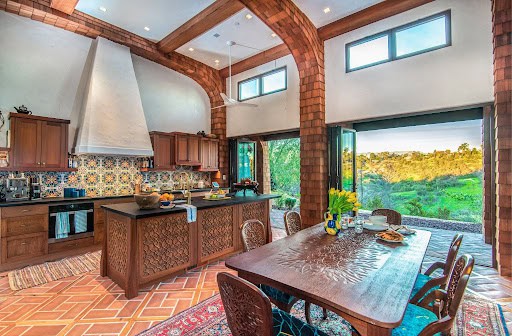
The Building Envelope: Where Performance Is Won or Lost
Walls, roof, windows, and foundation collectively determine whether conditioned air stays where it belongs or escapes into the California afternoon. Thoughtfully specified insulation including sustainable options like recycled cotton and cork provides strong thermal performance without the off-gassing concerns associated with conventional materials. What goes inside the walls matters as much as what covers them.
Windows are among the most consequential choices in any renovation or new build. Inefficient glazing accounts for staggering energy losses nationally, an invisible drain that double-pane, low-emissivity glass addresses directly, reducing heat transfer by up to 50% while improving acoustic comfort and interior livability. The savings accumulate meaningfully over decades.
And then there is the air itself. Indoor air quality is a dimension of high-performance design that is too often underestimated. Flooring, paint, adhesives, and furniture can all introduce volatile organic compounds (VOCs) into the interior environment, with effects that compound quietly over years of occupancy. At HFB, material selection accounts for this at every level: low- and no-VOC finishes, non-toxic adhesives, and solid-surface flooring options FSC-certified hardwood, cork, natural linoleum that perform beautifully over decades without compromising the air a family breathes.
Water Efficiency: The Returns You Don’t Notice
Low-flow fixtures, properly sealed plumbing, and thoughtful irrigation design each contribute returns that are easy to overlook and difficult to argue with. In a region where water consciousness is both a civic responsibility and a practical necessity, landscape design that works with Southern California’s native plant palette rather than against it is not a sacrifice, it is sound judgment. Xeriscaping reduces irrigation demands substantially and produces outdoor environments that are genuinely suited to where they live. These decisions add up to real savings and real stewardship, season after season.
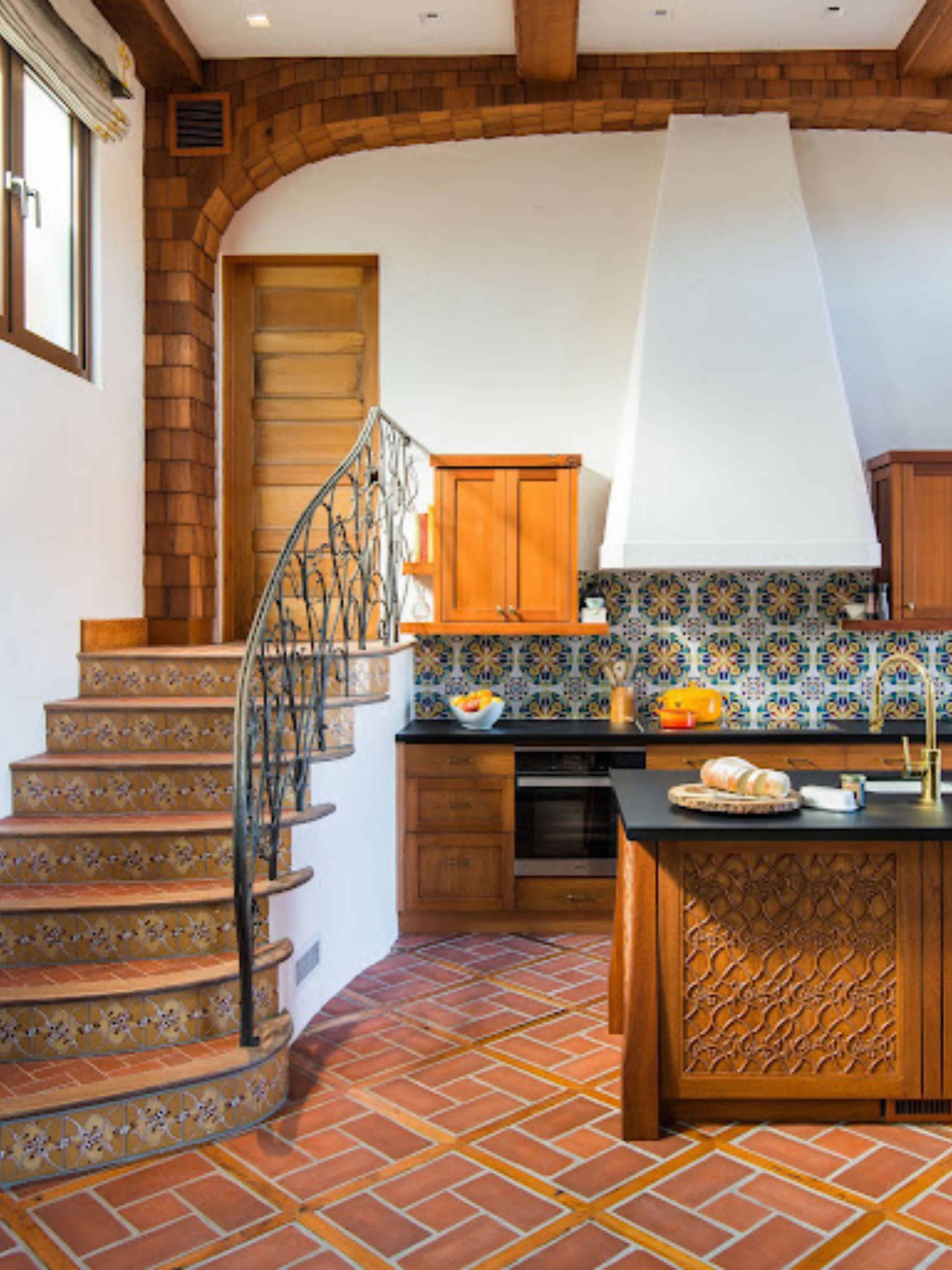
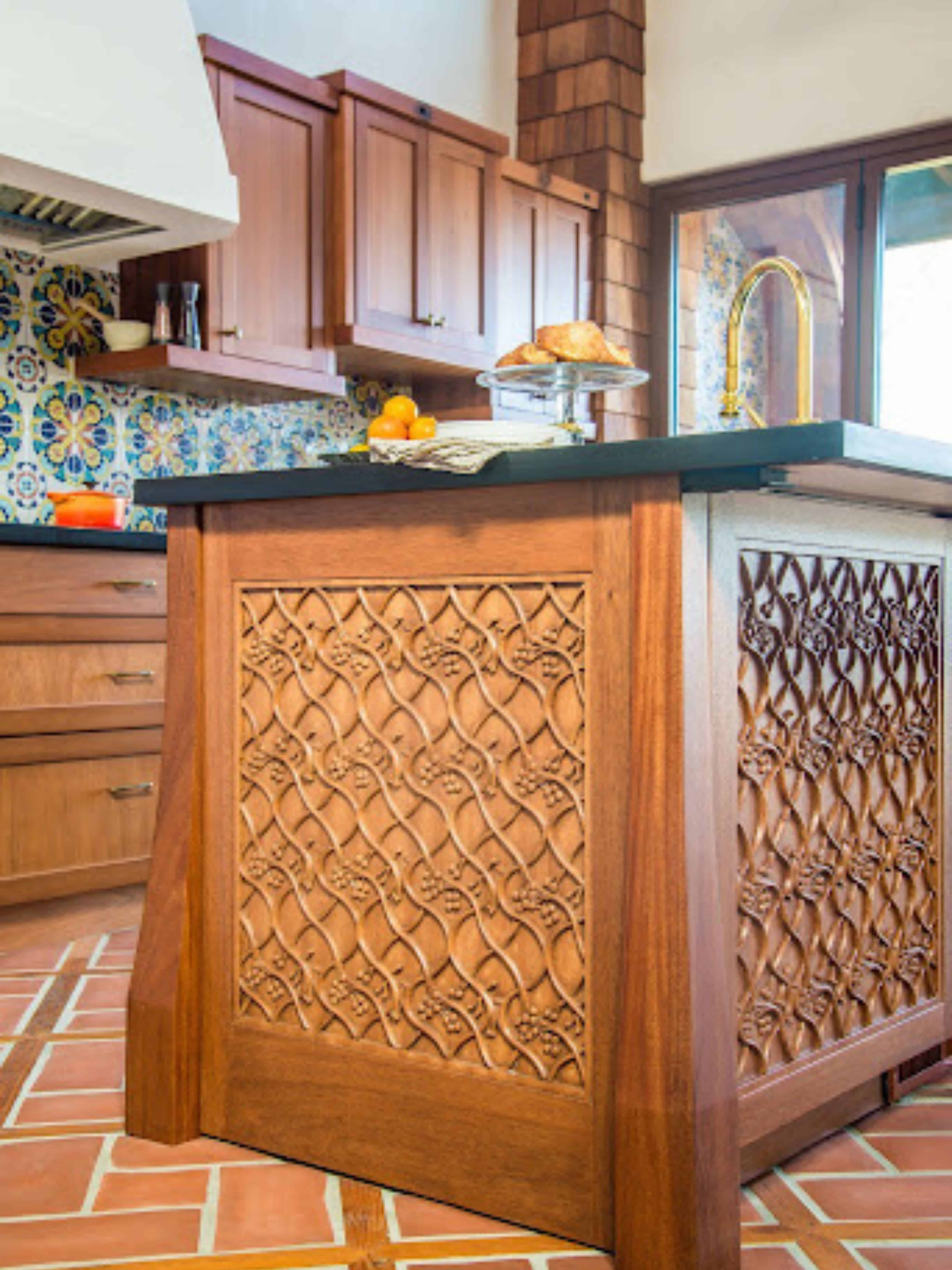
Durable Construction Materials
Every material in a custom home carries a story forward or it doesn’t. The ones worth specifying are the ones that age with grace and hold their integrity over time.
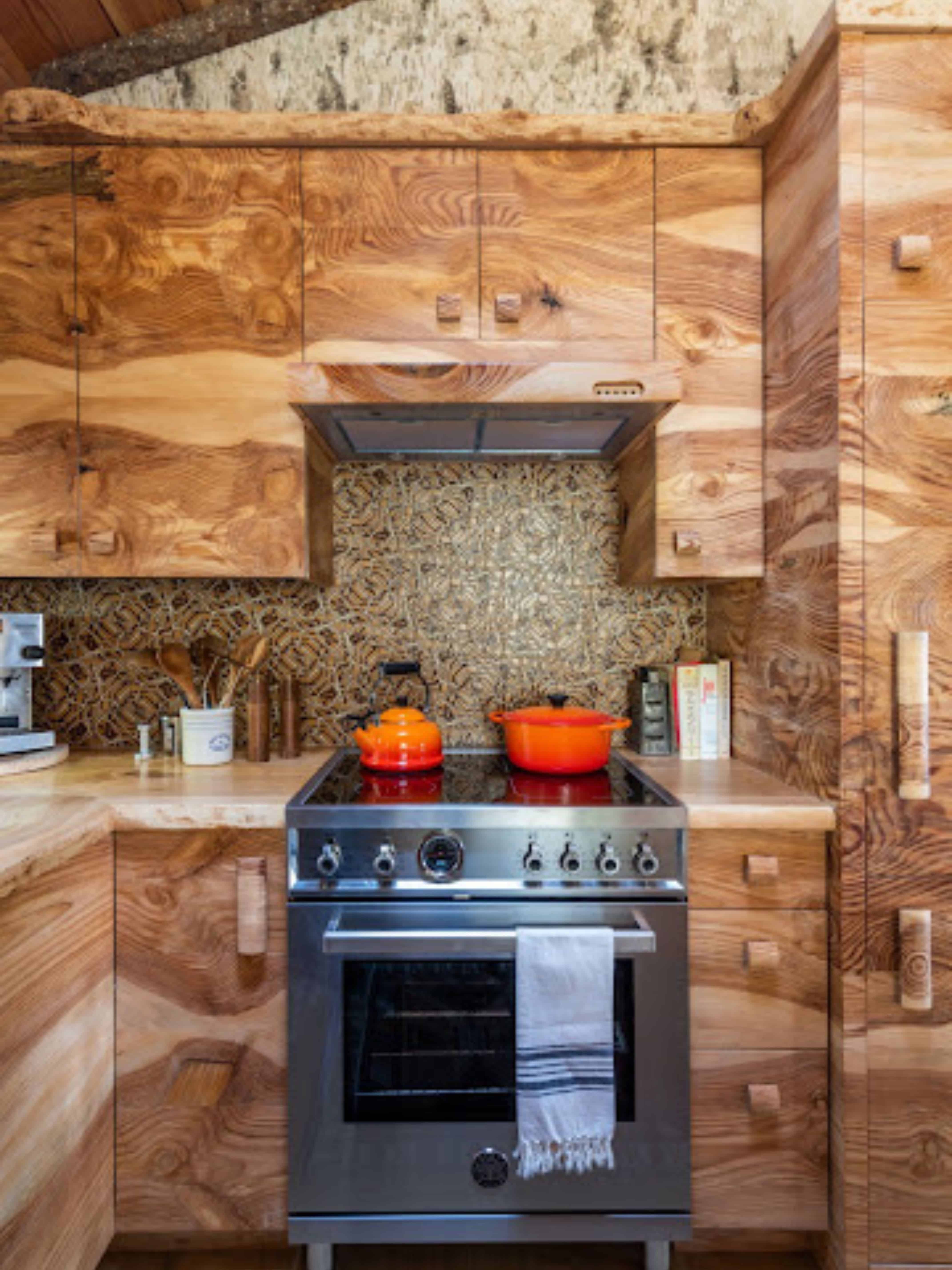
At Home Front Build, we evaluate materials not only for their immediate aesthetic contribution but for their full lifecycle: how they were sourced, how they behave over decades, and what they introduce or do not introduce into the environments they inhabit. Reclaimed hardwood, FSC-certified timber, and natural stone are not simply design preferences. They reflect a commitment to materials that endure without demanding premature replacement and that do not quietly compromise the spaces they define.
This is the definition of sustainability that resonates with our clients: not novelty, but permanence. Homes built to last, with materials chosen to last alongside them.
Integration: The Difference Between Sustainable and Merely Efficient
When sustainability is integrated from the earliest design conversation, something different happens. Every system decision reinforces the next. Every material choice contributes to the whole. The envelope works with the mechanical systems. The glazing works with the floor plan.
The plumbing works with the landscape. The home earns its performance structurally, mechanically, and experientially rather than achieving it piecemeal.
That integration is the standard we hold ourselves to at Home Front Build, whether we are designing a custom new construction from the ground up or undertaking a full renovation of an existing property. The goal is always the same: a home that performs at the highest level for the people who live in it, and for the long arc of time it will stand.
FAQs
What is high-performance housing design?
High-performance housing design focuses on creating homes that are energy-efficient, comfortable, durable, healthy, and environmentally conscious. These homes are designed to reduce energy use while improving indoor air quality and have a comfortable home.
What features are included in a high-performance home?
Common features include, advanced insulation, energy-efficient windows, airtight construction, smart HVAC systems, solar panels, high-efficiency appliances, and sustainable building materials.
How does high-performance housing improve energy efficiency?
These homes minimize energy loss through better insulation, sealed air leaks, and efficient heating and cooling systems. This reduces the amount of energy needed to maintain comfortable indoor temperatures year-round.
What are the health benefits of high-performance housing?
Improved ventilation systems and low-toxicity materials can help with indoor air quality by reducing allergens, pollutants, moisture, and mold growth.
What is the difference between a high-performance home and a standard home?
A standard home usually meets minimum building code requirements, while a high-performance home goes beyond those standards to maximize energy savings, comfort, and sustainability.
Can older homes be upgraded to high-performance standards?
Many existing homes can be retrofitted with improved insulation, efficient windows, upgraded HVAC systems, and smart energy technologies to improve performance.
Serving, Los Angeles County – Mt. Washington, Hancock Park, Hollywood Hills, Malibu, Los Feliz, Pacific Palisades, Brentwood, Pasadena, Glendale, Santa Monica, Pacific Palisades, Bel Air, Beverly Hills, Pasadena, South Pasadena, Burbank, Glendale, and surrounding areas.