Building in Los Angeles: Cost, Materials, and the Future of Housing
Los Angeles is one of the most desirable places in the country to live but it’s also one of the hardest places to build.
Between rising home prices, strict zoning laws, complex permitting, and unpredictable material costs, construction in LA has become about much more than design. Whether you’re remodeling a home, building an ADU, or developing property, it helps to understand what’s happening behind the scenes because it directly affects your timeline, your budget, and your long-term return.
At Home Front Build, we work in the middle of that reality every day. And if you’ve ever wondered why building in Los Angeles feels so complicated, you’re not imagining it.
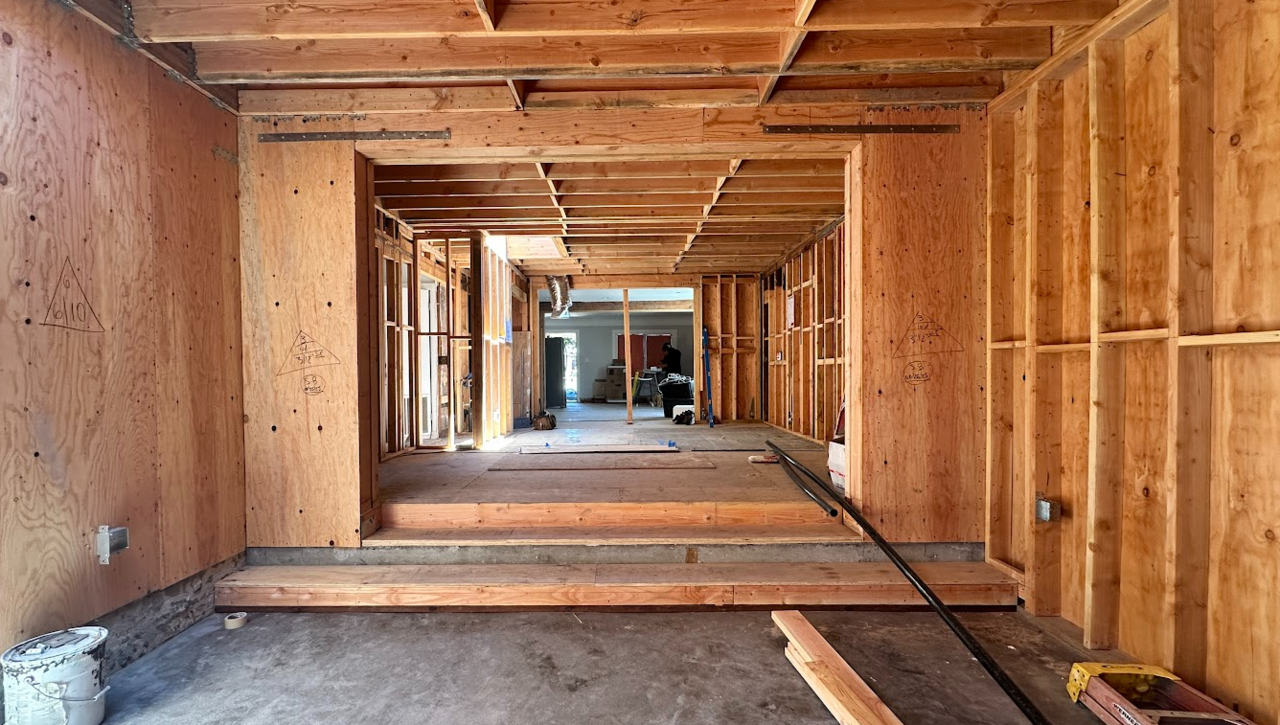
Construction Impacts More Than Just the Home
The construction industry is one of the biggest drivers of resource use in the United States. It consumes nearly three quarters of the country’s raw materials, and buildings account for close to 40% of total energy use nationwide more than transportation or industry.
Construction also generates a major amount of waste. Estimates suggest it contributes between 30% and 40% of landfill waste in the U.S.
Even if sustainability isn’t your focus, these numbers matter because they shape regulations, influence material pricing, and affect the way cities plan future development. Over time, the way homes are built today will determine what it costs to build tomorrow.
Los Angeles Has a Housing Problem and It’s Getting Worse
Los Angeles is in the middle of a housing crisis that goes far beyond “prices are high.”
The median home price in Los Angeles is around $700,000, while the median household income sits closer to $58,000. That gap has created a city where buying is out of reach for many residents and even renting is becoming harder to sustain.
Part of the issue is that a significant amount of new development continues to focus on high-income buyers. Luxury builds go up while working families are pushed farther out, and the overall housing supply doesn’t keep pace with demand.
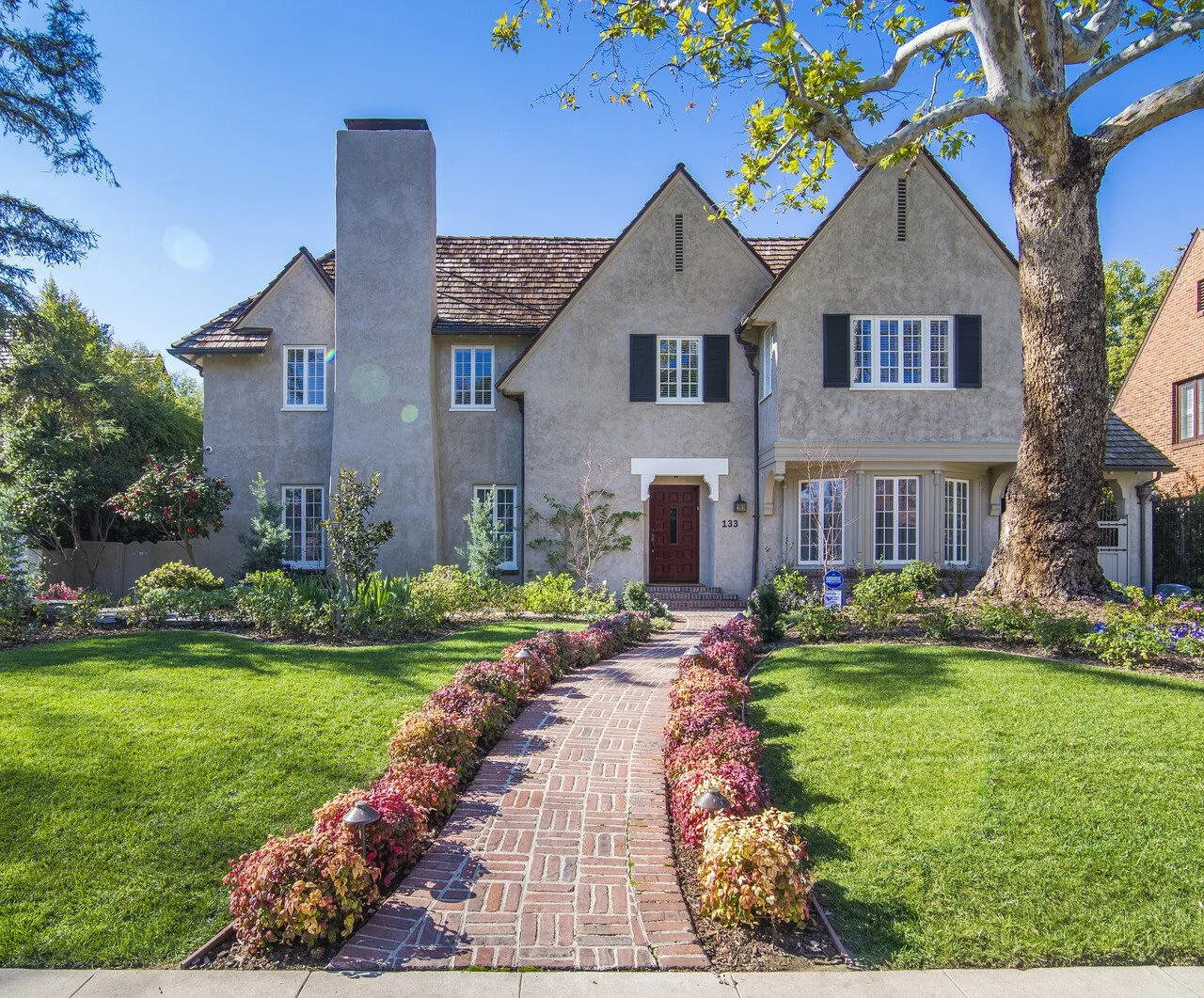
This imbalance doesn’t just affect the people trying to buy. It affects neighborhoods, rental markets, traffic patterns, and the cost of living across the entire city.
Overcrowding Is One of LA’s Biggest Warning Signs
One of the clearest indicators that Los Angeles lacks enough housing is overcrowding.
Los Angeles County has ranked among the most overcrowded areas in the country for decades. Today, roughly 11% of homes are considered overcrowded, meaning there is more than one person per room (excluding bathrooms). That number is more than triple the national average.
In neighborhoods like Pico-Union, overcrowding becomes extreme around 40% of homes meet that definition. The area has a population density comparable to New York City, but without the same level of vertical housing development.
New York builds up. Los Angeles often doesn’t.
Strict zoning and height restrictions have limited where taller buildings can be developed, especially in more affluent areas. This forces density into fewer neighborhoods, makes supply shortages worse, and increases pressure on the rental market.
The Cost of Housing Is Crushing People
The consequences are obvious in daily life.
A University of Southern California survey found that over 73% of Angelenos are rent-burdened, meaning they spend more than a third of their income on rent and utilities. Almost half were severely rent-burdened, spending more than half of their income on housing costs.
When rent rises faster than wages, families fall behind. It increases financial instability, pushes residents out of the city, and contributes to the growing unhoused population.
Los Angeles doesn’t just need more housing it needs housing that’s actually attainable.
Why Is Building in California So Difficult?
Even when developers want to build more housing, California makes it expensive and slow.
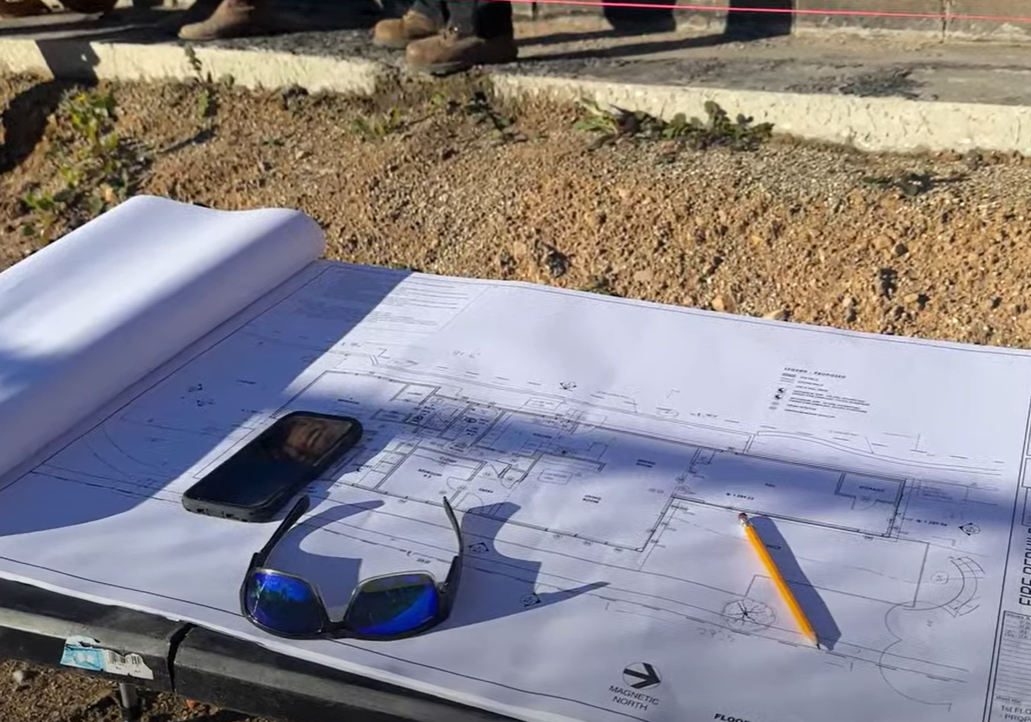
Permitting, zoning, inspections, and layered regulations create a process that can take years. In San Francisco, for example, it can take up to four years to get a new construction project fully approved. Los Angeles has different rules, but the same issue exists: red tape increases costs and delays timelines.
Many of these regulations are meant to protect communities and ensure safety. But stacked together, they often have the opposite effect: fewer projects get built, costs rise, and the city remains stuck with an undersupplied housing market.
If it’s expensive to build, less housing gets built. And if less housing gets built, prices continue to rise.
LA Sprawl Creates Expensive Long-Term Problems
Los Angeles is famous for being car-centric, but the bigger issue is how the city is structured.
As housing becomes unaffordable, people move farther out into suburban areas. That increases commuting, dependence on cars, and infrastructure strain. It also makes daily life more expensive for families who now have longer drives and fewer local resources.
At the same time, LA’s built environment freeways, asphalt, and concrete creates “hotspot” zones that can be dramatically warmer than surrounding areas. Some areas can reach temperatures up to 32°F hotter than other parts of the city due to heat-trapping surfaces.
This affects energy use, comfort, and the way future homes will need to be designed.
Heat Is Affecting Construction Timelines and Labor
This isn’t just a homeowner issue it’s a construction issue.
Higher heat and humidity reduce worker productivity and increase safety concerns on job sites. One estimate suggests that heat costs the Los Angeles area nearly $5 billion per year in lost output due to reduced productivity.
Construction crews spend most of their day outdoors, often surrounded by exposed asphalt, concrete, and other heat-retaining surfaces. Over time, this impacts scheduling, labor efficiency, and project timelines especially during summer.
For homeowners, this translates to one thing: planning matters. Scheduling, project phasing, and construction strategy are becoming more important than ever.
Material Costs Are Rising and That Trend Started Before COVID
Most people remember pandemic-related shortages, but the truth is material costs were climbing long before that.
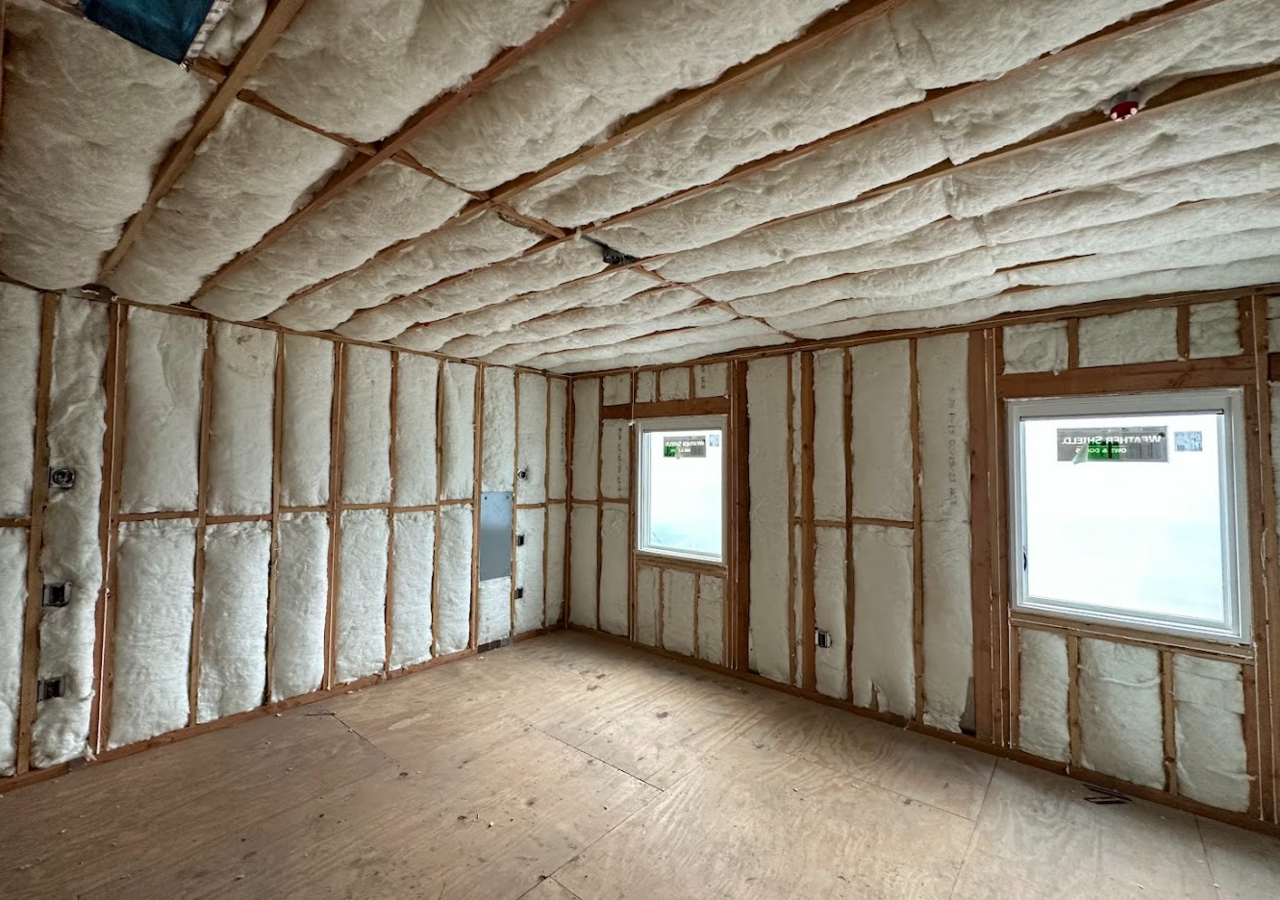
Between 2008 and 2018, average prices of wood, plastics, and composite materials doubled. Today, cost volatility continues and in a market like Los Angeles, where labor and permitting already add pressure, rising material prices can quickly change a project budget.
The five most common materials used in residential construction are:
concrete
steel
wood
stone
brick and masonry
These materials make up the foundation of modern building but they also drive cost and supply chain volatility.
Concrete and Steel Are Essential and Costly
Concrete is one of the most widely used materials on Earth. It’s durable, strong, and essential for foundations and structural work. But it also comes with a major production footprint and rising cost pressures.
Steel production is also resource-intensive and emits massive amounts of CO₂ each year. As demand grows and regulations tighten, industries like concrete and steel become more expensive to produce, and those costs get passed down to builders and homeowners.
Concrete also requires an enormous amount of water to produce nearly one tenth of the world’s industrial water use and much of that happens in drought-affected areas.
For Los Angeles, where drought conditions are a long-term reality, this adds another layer of uncertainty to future construction costs.
Better Materials Can Improve Long-Term Value
Not all building materials perform the same over time. Some hold up better, require less maintenance, and help keep homes more comfortable and energy-efficient.
Wood products store carbon and are renewable when sourced properly. Stucco requires less material input than many exterior finishes and is common throughout LA. Cork can be harvested without deforestation and offers insulation benefits. Linoleum is biodegradable and often replaces more resource-intensive flooring options.
But the key takeaway isn’t about “green building.”
It’s about building smarter.
The right material choices can reduce long-term repair costs, improve indoor comfort, and increase a property’s long-term durability which matters whether you’re living in the home or treating it as an investment.
The Future of Building in LA Will Reward Smarter Planning
Los Angeles isn’t getting cheaper, and construction isn’t getting simpler.
The projects that succeed in the long run will be the ones that prioritize smart planning, efficient design, and materials that perform well over time not just what looks good in the short term.
At Home Front Build, we believe the best builds balance three things:
design that fits the neighborhood and lifestyle
construction strategy that reduces delays and wasted cost
material choices that protect the long-term value of the home
Because in Los Angeles, the smartest builds aren’t always the biggest builds.
They’re the builds that last.

Serving, Los Angeles County - Mt. Washington, Hancock Park, Hollywood Hills, Malibu, Los Feliz, Pacific Palisades, Brentwood, Pasadena, Glendale, Santa Monica, Pacific Palisades, Malibu, Bel Air, Beverly Hills, Pasadena, South Pasadena, Burbank, Glendale, and surrounding areas.