

Part 1 of a two-part series. In Part 2, HFB’s Head Architect Derek Ryder breaks down how preservation rules shape design decisions on the ground.
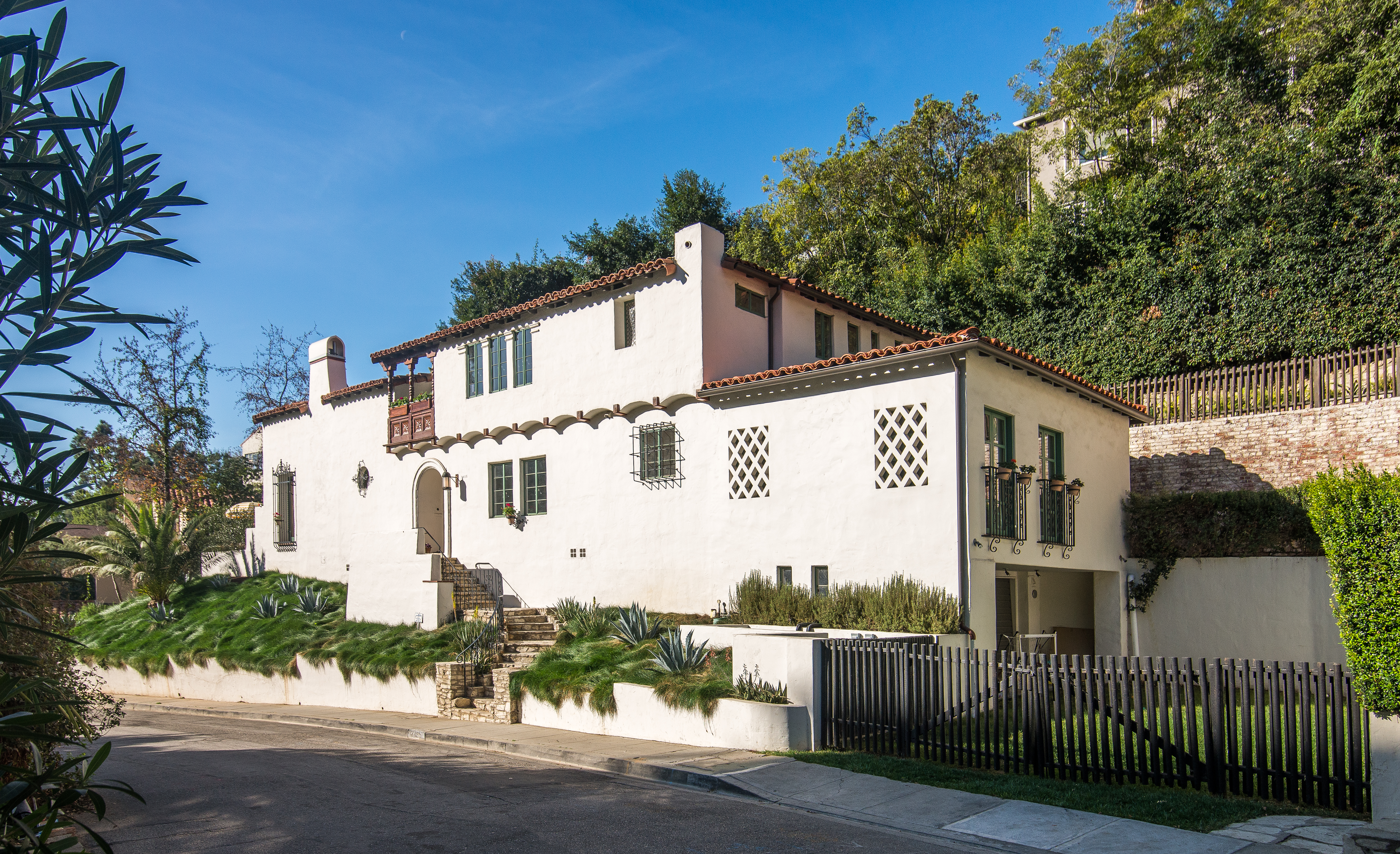
Buying or renovating a historic home in Los Angeles comes with a unique set of rules and a lot of myths. We sat down with HFB Founder Steve Pallrand to break down what homeowners actually need to understand before they start knocking down walls (or, as you’ll see below, rebuilding a garage).
Myth #1: “I can do whatever I want to my house”
The most common misconception homeowners have, according to Steve, is assuming full creative freedom once they own a historic property. “That they can do anything they want to their home addition, remodel. You can’t. There are specific regulations that guide any work to a historic property.”

That said, he’s quick to push back on the doom-and-gloom version of that reality: “This doesn’t mean you are doomed to live in a museum and use an outhouse and an icebox, but it does mean that you can’t alter the historic character that likely drew you to the house and neighborhood in the first place. As long as you understand the rules, you will realize why they exist and how they not only benefit you, but add value to your home in the long run.”
How Historic Status Affects Timeline and Budget
“The main consideration for the timeline is that the historic designation adds another layer to the permit process,” Steve says. “This doesn’t have to be a huge delay, but it is another department in the City you have to consult and get approval.”
His advice is to get ahead of it rather than treat it as an obstacle: “We have found it is best to involve these historic departments early, often as consultations, to gauge approval and let the historic department know you are respecting their process and not trying to get around it. As with any City agency, as long as you play by the rules things go smoothly, but if you cross them, things can get very difficult.”
The Mills Act: What Buyers Need to Know Before They Close
If you’re buying a historic property, check whether it comes with a Mills Act contract a legally binding agreement between the homeowner and the city that lowers property taxes in exchange for the owner spending those savings on preserving the home within a 10-year period.
The part most buyers miss: “The Mills Act contract transfers with the house, not the owner,” Steve explains, “so the new owner is bound to complete the work if it has not been done, and whether they knew at the time of sale or not.”
That can get expensive fast. “The original homeowner often wrongly estimates the cost of the repairs, and since costs rise over time, the cost to do something eight years later can be significantly more expensive, but you are bound by the contract, not the inflated cost.”
His advice: “Make sure that any Mills Act work not completed is credited in escrow in today’s dollars. Not completing Mills Act work can lead to significant problems with the City.” Steve noted he’s seen it end up in lawsuits.
Historic Tax Credit: Are There Financial Incentives for Preserving a Historic Home?
“There are various ways to get credits for repairing or restoring a historic house, but almost never it is free money,” Steve says. “The most common is the Mills Act, which reduces the property taxes, but the homeowner MUST spend that credit on a series of improvements. You cannot receive the credit and not do the work. The City checks at the end of the period.”

Renovating a Historic Home
“Preservation goals are primarily focused on maintaining the architectural integrity of the home,” Steve says. “There are allowances for additions and alterations, but for the most part the goal is to keep the home looking like it did when it was built. However, this does not mean you can’t modernize it, or even expand it. Preservation is about preserving the look of the historic home, but if you can’t adapt it for modern plumbing, heating and air conditioning, modern kitchen, lighting and all that, no one will want to live in the house and it will fall into disrepair. Adapting a house to modern living is a key to preserving it.”
When Should You Hire Historic Property Renovation Experts?
Steve’s advice is simple: loop in a firm like HFB early. “It is best to consult a specialist like HFB early in the process so one does not make any mistakes. Something that may seem like a good idea, like changing the windows, can lead to huge problems if not done correctly.”
Busting the Biggest Myth
“The biggest myth about owning a historic house is that some bureaucrat will tell you what you can and can’t do,” Steve says. “Although it is true that you have to follow the rules, for most historic homes and neighborhoods, this pertains primarily to the exterior.”
There’s also a long-term upside worth knowing about: “As cities increase density, historic neighborhoods will only increase in value as they maintain their less dense and almost suburban feel. The value of your historic home that is situated in a less dense pocket of a dense city will do nothing but increase in desirability and value.”

Historical Registry: How Do You Find Out if Your Home is Historic?
“Most cities have an online database which lists any historic designation,” Steve notes a good first stop before assuming either way.
Case Study: The Historic Garage That Cost More Than a Kitchen Remodel
One HFB project shows just how strict and costly historic preservation rules can get.
“Historic Boards are not allowed to consider the cost of a project. Ever,” Steve says. “And sometimes repairing a historic property can be very costly.”
A homeowner’s single-car garage had fallen into such disrepair that their insurance company demanded it be demolished. But the local historic board required it to be rebuilt instead, as a historic record. The complication: the garage sat next to a neighbor’s retaining wall on a steep hillside, and the structural engineer required caisson piles over 15 feet deep.
“The cost of this to rebuild a one car garage was insane,” Steve says. “The cost of the foundation alone was more than the cost of an ADU or a high end kitchen in Beverly Hills. Hundreds of thousands of dollars to restore a single car garage that was used to store garden equipment and bikes. The Board refused to budge, as cost was not something they could consider.”
HFB found a workaround. Since the homeowners didn’t actually need to park a car there, the team kept the garage’s original width satisfying the historic board’s street-facing requirement but reduced its length enough that the structure fell under the permit threshold entirely, reclassifying it as a storage shed. Without a permit required, no foundation was needed either, saving the client hundreds of thousands of dollars while still keeping the historic board satisfied.
Contact us to learn more about renovating, preserving, or any other questions you may have about your historic home.
Curious how these rules shape actual design decisions on the ground? In Part 2, HFB’s Head Architect Derek Ryder walks through the HPOZ approval process, what review boards scrutinize most, and how to balance modern living with historic character, coming soon.
FAQs
What is historic preservation?
Historic preservation is about protecting and caring for homes, buildings, neighborhoods, landmarks, and landscapes that hold historical, cultural, or architectural significance so their stories and character can be enjoyed for generations to come.
Why is historic preservation important?
Historic preservation protects the buildings, places, and stories that connect us to the past. It helps preserve community character, supports local economies, reduces waste, and keeps important history alive for future generations.
How old does my house have to be to be considered historic?
A house is usually considered old enough to be evaluated as historic at 50 years old. However, a home must also have historical, architectural, or cultural significance to qualify for historic designation.
How do I register my home as historic in Los Angeles?
You can apply to have it designated as a Los Angeles Historic-Cultural Monument through the City’s Office of Historic Resources. You’ll need to provide documentation showing the property’s historical or architectural significance.
How to protect a historic house before you sell it?
Start by checking your home’s historic status and whether it qualifies for preservation protections. Document its original features, research options such as historic designation or a Mills Act contract, and share the home’s preservation history with potential buyers.
Serving, Los Angeles County – Mt. Washington, Hancock Park, Hollywood Hills, Malibu, Los Feliz, Pacific Palisades, Brentwood, Pasadena, Glendale, Santa Monica, Pacific Palisades, Bel Air, Beverly Hills, Pasadena, South Pasadena, Burbank, Glendale, and surrounding areas.