

What to Use, Where to Use It, and What to Avoid
Lighting is one of the most overlooked parts of a home and one of the easiest to get right.
The right lighting makes a space feel comfortable, functional, and complete. The wrong lighting can make even a well-designed home feel harsh, dim, or disconnected.
The good news is that better lighting doesn’t require a full redesign. A few smart choices can improve how your home looks, feels, and performs every day.
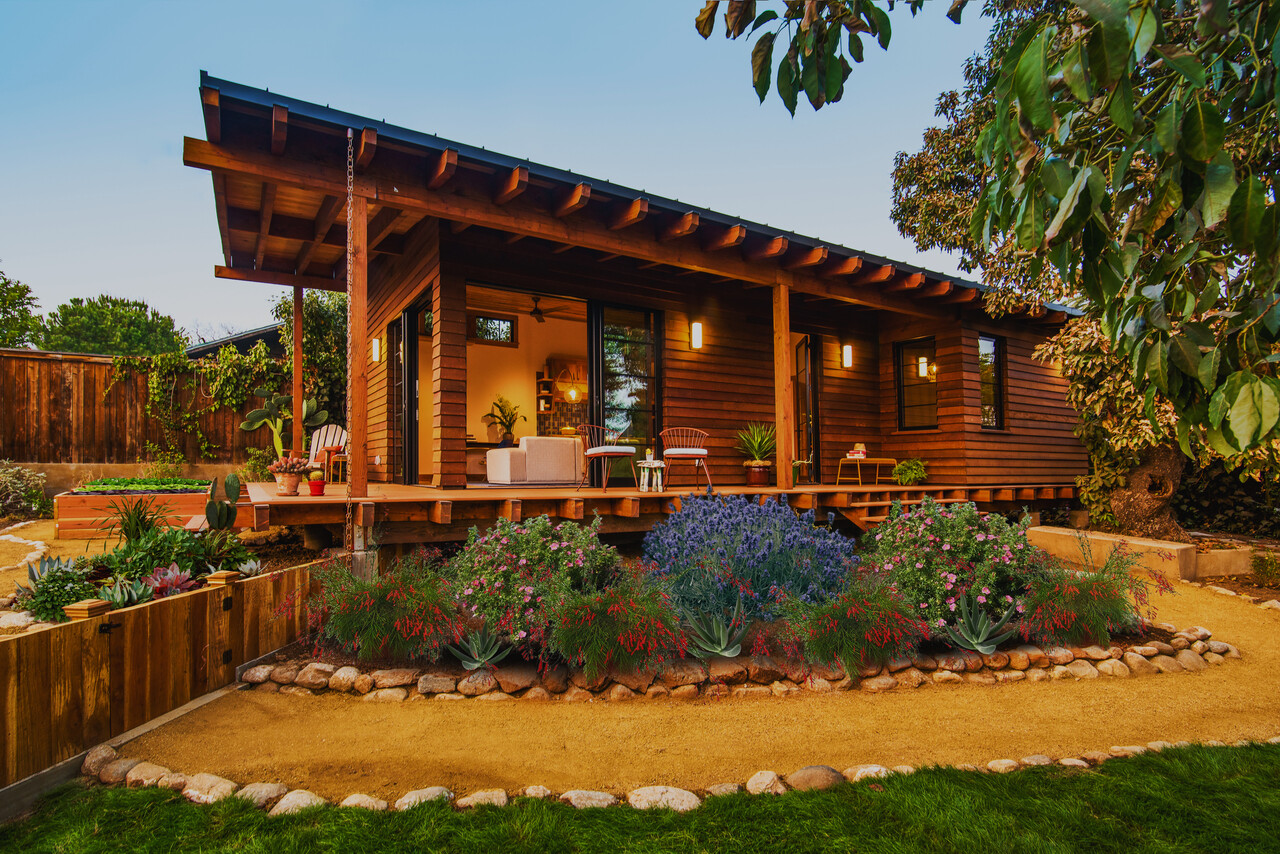
Choosing the Right Light Bulb
If you do one thing, switch to LED lighting.
LED bulbs use significantly less energy, last far longer, and produce better-quality light than older options. While they cost a bit more upfront, they typically pay for themselves quickly through lower energy use and fewer replacements.
But performance matters just as much as efficiency. When choosing bulbs:
- Look at lumens (brightness), not just wattage
- Choose warm light (2700K–3000K) for most living spaces
- Avoid overly cool or blue-toned lighting unless needed for task areas
The goal isn’t just efficiency—it’s comfort.
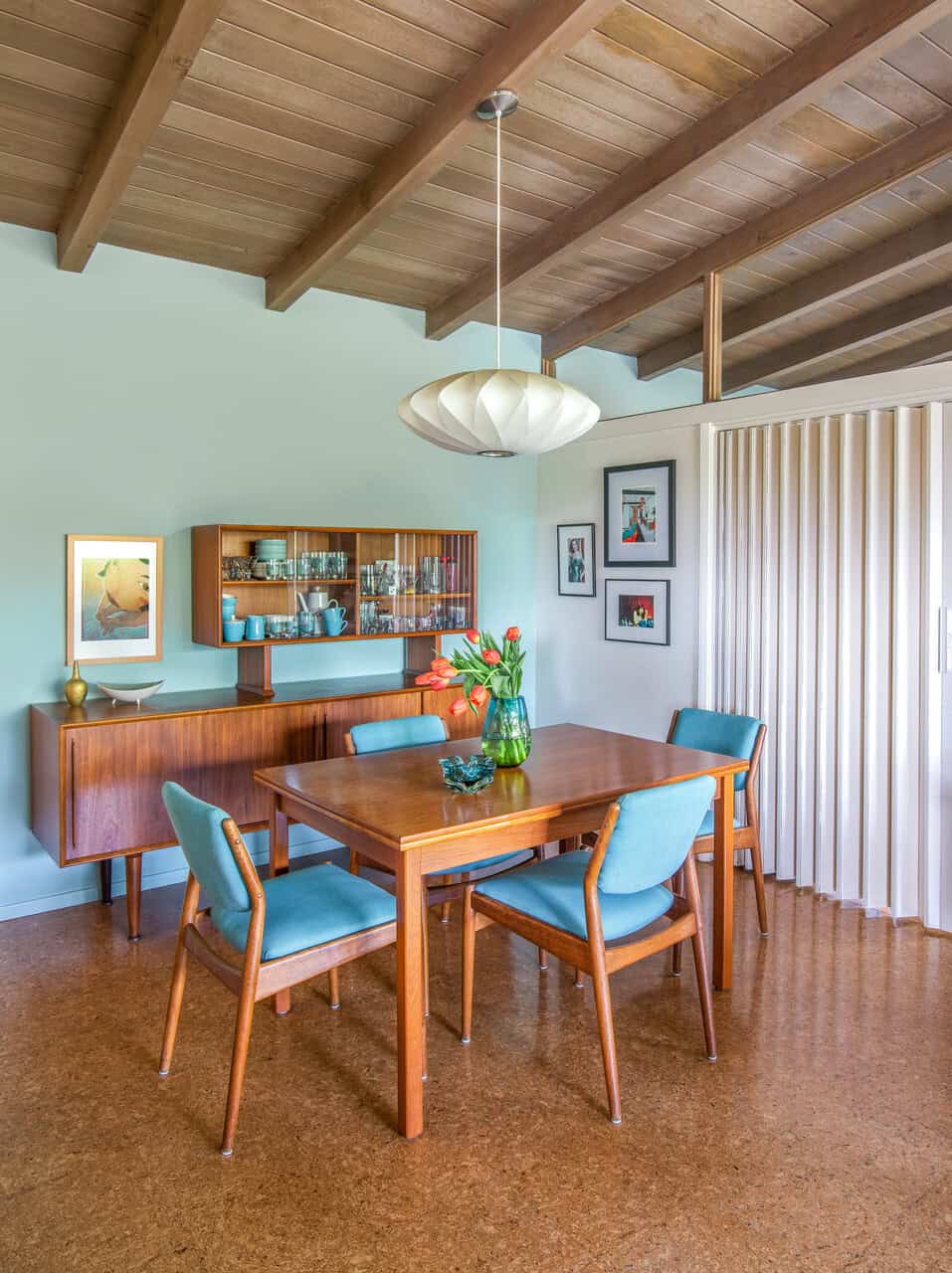
Layer Your Lighting
Most homes rely too heavily on a single overhead light. That’s where things start to fall apart.
Good lighting is layered. You want a mix of:
- Ambient lighting (general room lighting)
- Task lighting (focused light for specific activities)
- Accent lighting (highlighting features or creating mood)
For example:
- A living room might combine ceiling lights, a floor lamp, and a table lamp
- A kitchen might use recessed lighting, under-cabinet lights, and pendants
Layering gives you flexibility and makes spaces feel more intentional.
Sustainable Lighting Solutions: Use Light Where You Actually Need It
Instead of lighting an entire room at full brightness, focus on where light is useful. This is where task lighting makes a big difference.
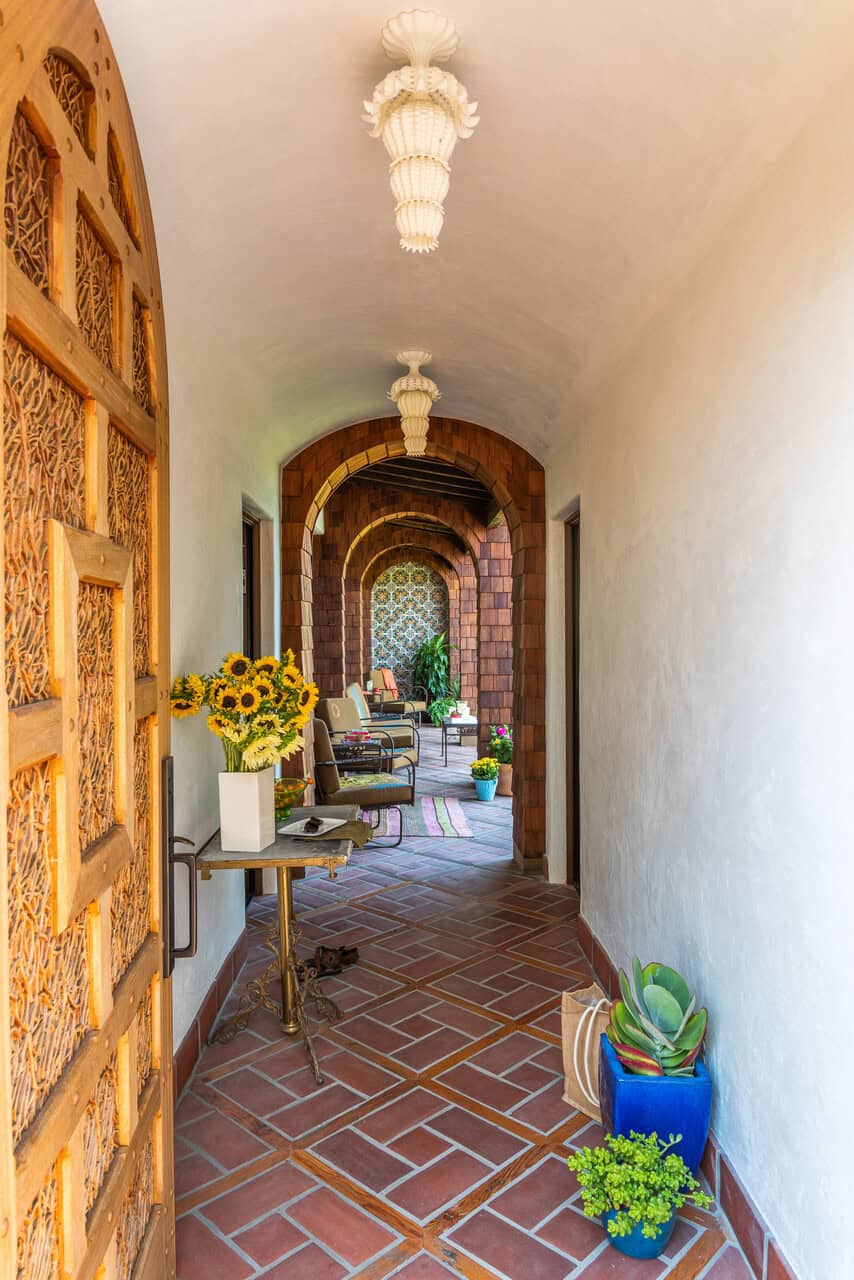
Examples:
- Reading lights near beds or chairs
- Under-cabinet lighting in kitchens
- Stair lighting for safety
- Desk or workspace lighting
This approach improves usability while reducing unnecessary energy use.
Interior Lighting Design
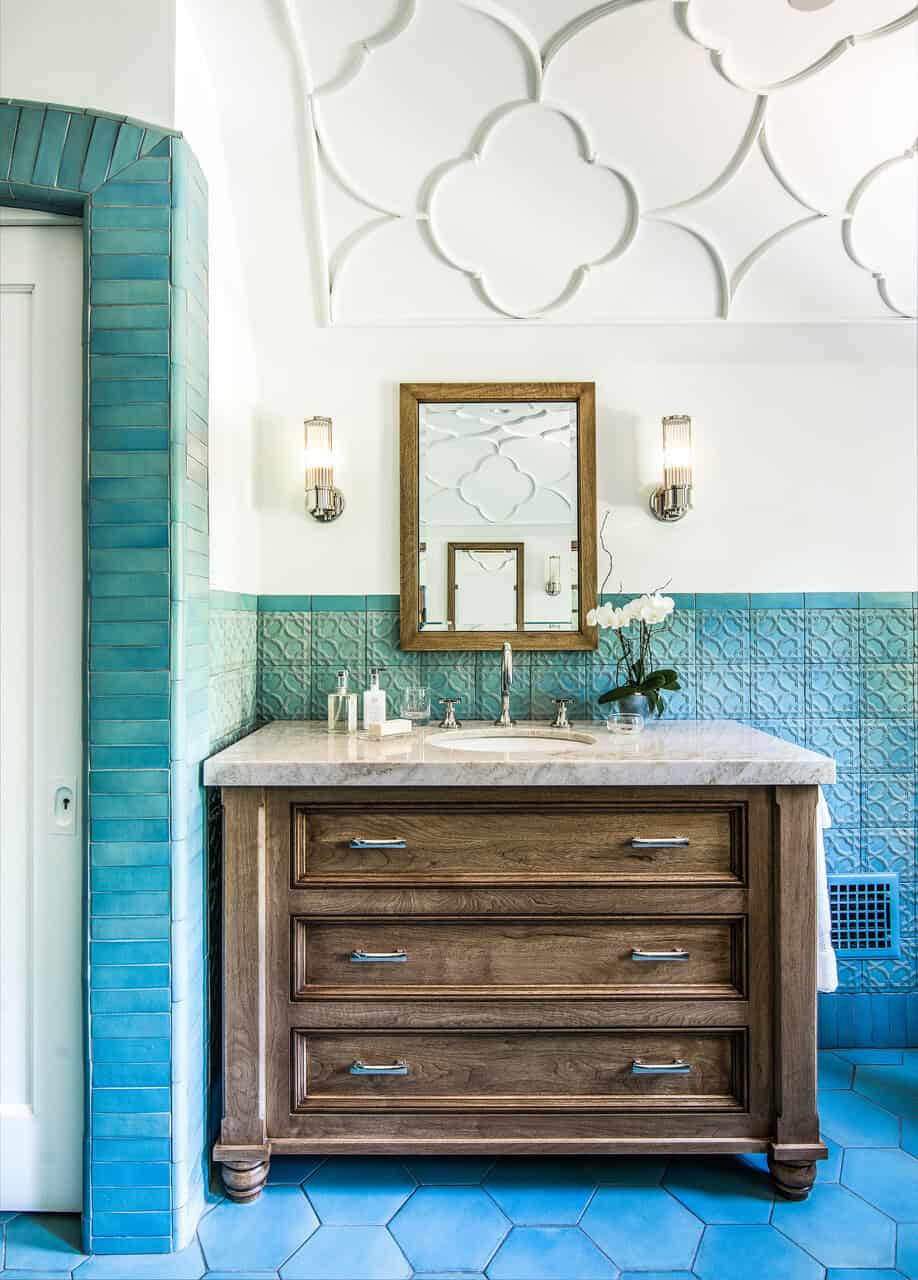
Lighting isn’t just about fixtures it’s about where and how light interacts with your space.
Walls, ceilings, and materials all affect how light behaves.
Light-colored walls reflect light, making spaces feel brighter
Dark finishes absorb light, requiring more illumination
Positioning lights near walls can help spread light more evenly
Small adjustments in placement can dramatically change how a room feels.
Timeless Light Fixtures
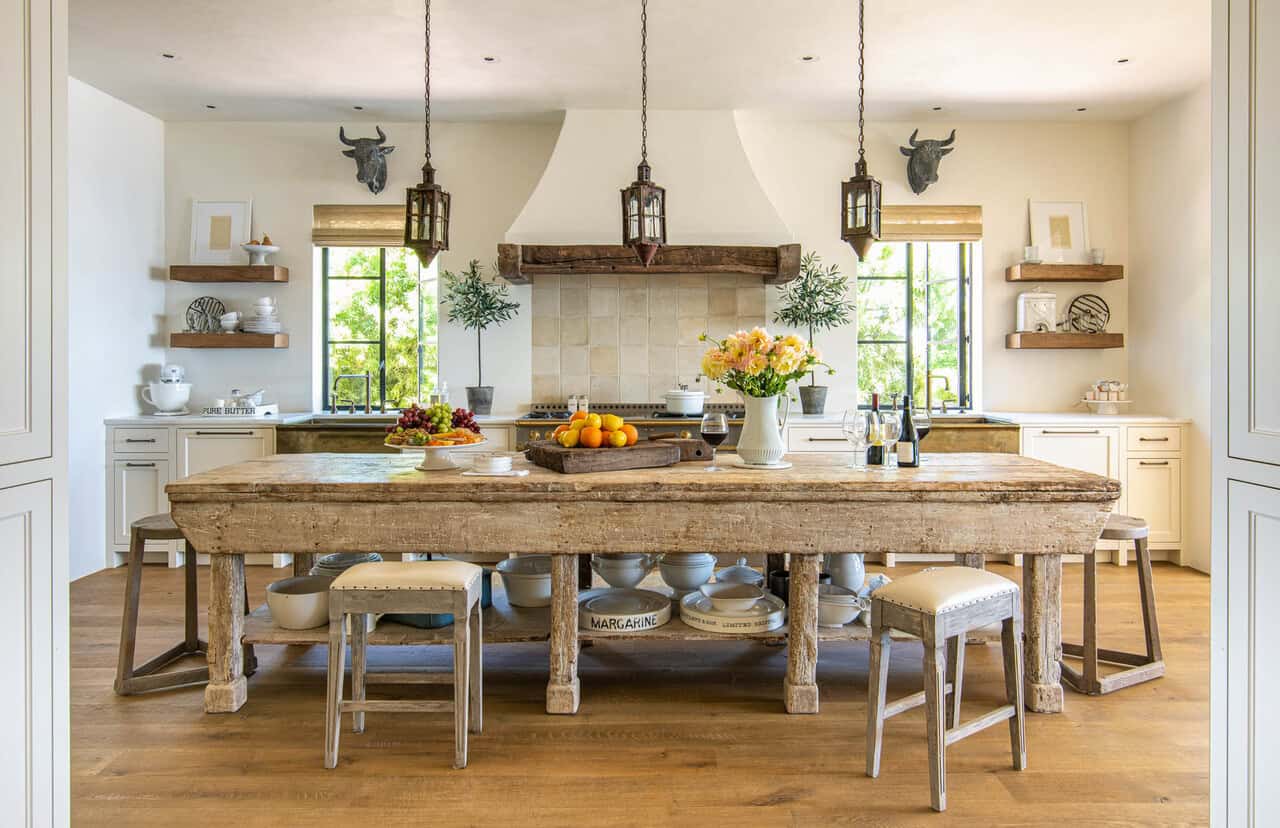
Lighting fixtures are both functional and visual. Avoid overly trendy fixtures that may feel dated quickly. Instead, look for:
- Simple forms
- Durable materials
- Timeless finishes
Well-chosen fixtures should blend into the space while still doing their job effectively.
Smart Lighting Control
Lighting shouldn’t be all-or-nothing.
Adding dimmers, timers, or smart controls gives you flexibility to adjust lighting based on time of day or activity.
- Dim lights in the evening for a softer feel
- Use timers for exterior lighting
- Adjust brightness instead of switching lights fully on/off
These small upgrades improve both comfort and efficiency.
Think Long-Term
Lighting is one of those areas where small decisions add up over time.
Better bulbs last longer. Better placement reduces waste. Better fixtures don’t need to be replaced as often.
And all of that leads to a home that’s easier and more enjoyable to live in.
FAQs
Why is lighting important?
Lighting does more than brighten a room, but also shapes how a space feels, functions, and looks. The right lighting can boost mood, improve focus, highlight design features, and create a warm, welcoming atmosphere. From increasing productivity to improving energy efficiency, lighting plays a major role in both comfort and everyday living.
How do interior designers maximize natural light in homes?
Interior designers maximize natural light by combining smart layouts, reflective materials, and strategic design choices to make spaces feel brighter and more open. Common ways of using lighting strategically includes:
- Using larger windows and glass doors to bring in more sunlight throughout the day.
- Choosing light-colored walls and ceilings that reflect natural light instead of absorbing it.
- Adding mirrors and reflective surfaces to bounce light around the room and make spaces feel larger.
- Keep window treatments minimal with sheer curtains or blinds that allow sunlight to filter through.
- Creating open floor plans so light can travel freely between rooms.
- Place furniture strategically to avoid blocking windows and sunlight pathways.
- Incorporating skylights or solar tubes in darker areas where traditional windows are limited.
- Keep landscaping outside windows trimmed so trees and shrubs don’t block incoming light.
How long do LED light bulbs last?
LED light bulbs can last anywhere between 15,000 and 50,000 hours depending on the quality of the bulb and how often it’s used.
How do you recycle LED light bulbs?
LED light bulbs should be recycled through designated electronics or household recycling programs rather than thrown in the trash. You can find local LA recycling centers here.
How do you use natural light in design?
Natural light is used in design to make spaces feel brighter, larger, and more inviting while improving comfort and energy efficiency. Our designers thoughtfully plan layouts, materials, and window placement to maximize sunlight throughout the home.
What is recessed lighting?
Recessed lighting is a type of light fixture installed directly into the ceiling so the housing and wiring are hidden from view. They are popular lighting options because they save space, provide even illumination, and blend seamlessly into a room’s design.
How do you add recessed lighting?
Adding recessed lighting involves detailed layout design planning, cutting openings in the ceiling, running electrical wires, and installing the trim.
How do you improve lighting in a room?
Improving lighting in a room is about making the space work with both natural and artificial light. A well-lit room feels more open, comfortable, and functional when natural light and layered artificial lighting work together.
Serving, Los Angeles County – Mt. Washington, Hancock Park, Hollywood Hills, Malibu, Los Feliz, Pacific Palisades, Brentwood, Pasadena, Glendale, Santa Monica, Pacific Palisades, Bel Air, Beverly Hills, Pasadena, South Pasadena, Burbank, Glendale, and surrounding areas.