Los Feliz Spanish Colonial Revived

This 1920s Spanish Colonial Revival home underwent a targeted kitchen remodel designed to strengthen connections between interior living spaces and the outdoors. New arched openings and thoughtful reconfiguration allow the kitchen to function as a central, light-filled hub while respecting the home’s original character.

Los Feliz Spanish Colonial Revived

Year
2018
Size
2,800 sq ft
Location
Los Feliz, CA
Services
-
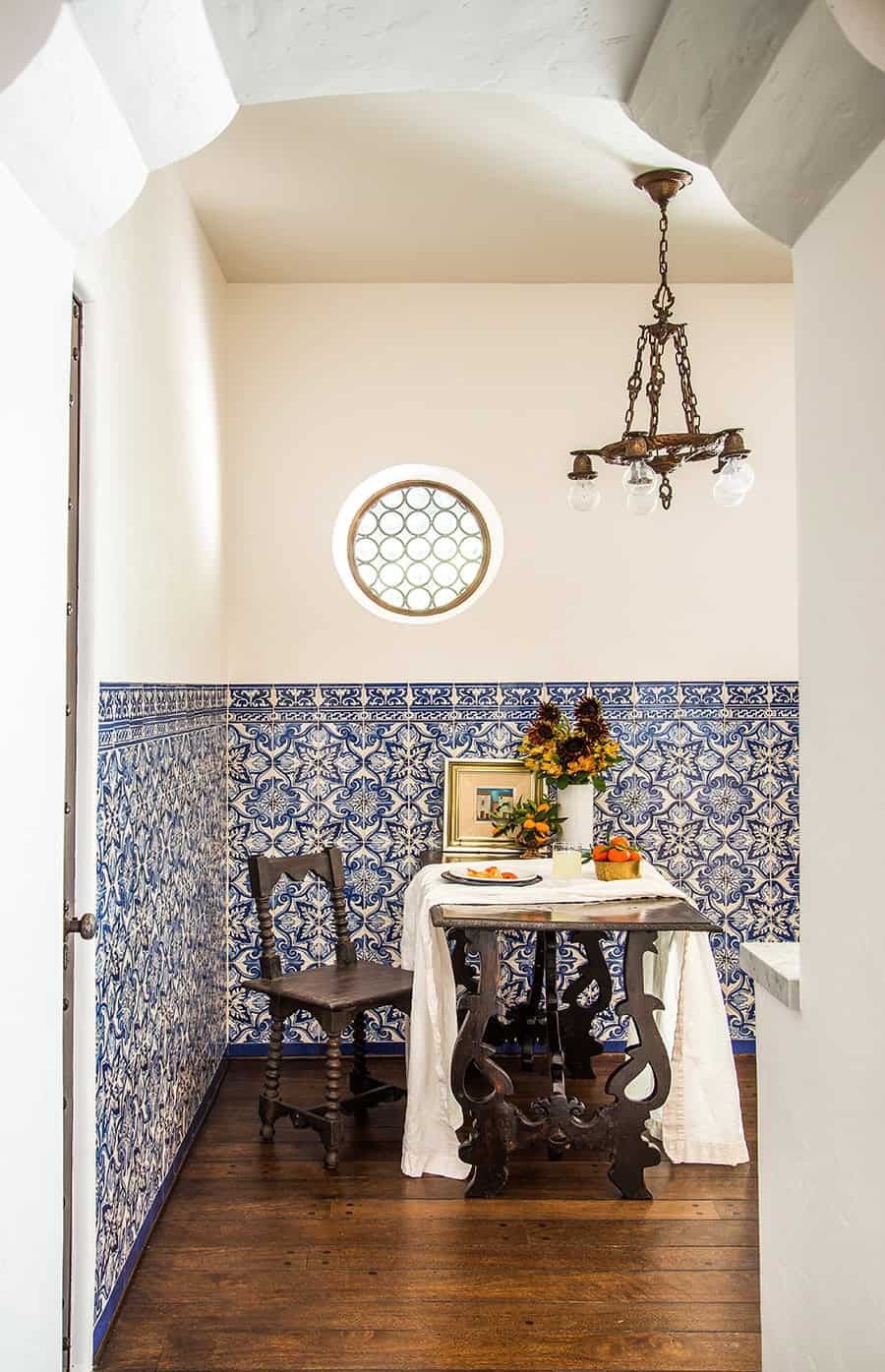
The design draws directly from existing architectural language, replicating original entry arches to create continuity between old and new. Custom cabinetry, restrained materials, and disciplined detailing ensure the kitchen feels integral to the historic home rather than newly inserted.

Design Goals

  • Improve the kitchen’s connection to the dining area and rear yard
  • Maintain architectural continuity with the home’s original Spanish Colonial Revival details
  • Introduce modern functionality without disrupting historic character
  • Use custom elements to reinforce craftsmanship and material integrity
  • Ensure new work feels cohesive within the existing structure

Project Key Features & Highlights

Interior Details
  • Kitchen opened to the dining area and rear yard through new plaster archways
  • Reorganization of kitchen circulation to improve flow and usability
  • Spatial alignment of new openings with existing entry arches
  • Improved indoor–outdoor relationship supporting everyday family living
Materials & Custom Elements
  • Custom walnut cabinetry inspired by the home’s original millwork
  • Marble countertops providing a timeless, restrained surface
  • Hand-painted Portuguese tile backsplash introducing color and craft
  • Carefully sourced fixtures and hardware selected to complement historic detailing
Craftsmanship Notes
  • New plaster openings shaped to replicate original arched forms
  • Cabinetry detailed to align with existing walnut floors and millwork
  • Material selections calibrated to age gracefully alongside original elements
  • Close coordination between design and construction to preserve intact historic details
  • Custom and period-appropriate components used to ensure seamless integration